

Preparing Windows for Winter in High Altitude Areas
Ease Your Panes explains how Denver's high altitude creates unique winter challenges for windows, including intense UV exposure and frequent freeze-thaw cycles that damage seals, caulk, and frames.
- At 5,280 feet, UV radiation runs 20-25% higher than sea level, breaking down caulk and vinyl faster. Daily temperature swings from 15°F to 55°F cause water in cracks to freeze and expand repeatedly.
- Homeowners should clean windows first, inspect all caulk lines, check weatherstripping, test for seal failure between panes, and clear weep holes before mid-to-late October.
- Use silicone-based exterior caulk that stays flexible in cold temps. Common mistakes include sealing over dirt, using interior caulk outdoors, and ignoring north-facing frames that stay damp longer.
Preparing windows for winter at high altitude requires protecting glass, seals, and frames from rapid freeze-thaw cycles and intense UV exposure. Start by inspecting weatherstripping and caulking for cracks, then apply UV-resistant film to reduce sun damage. Check for condensation between panes, which signals seal failure, and consider adding storm windows for extra insulation against temperature swings.
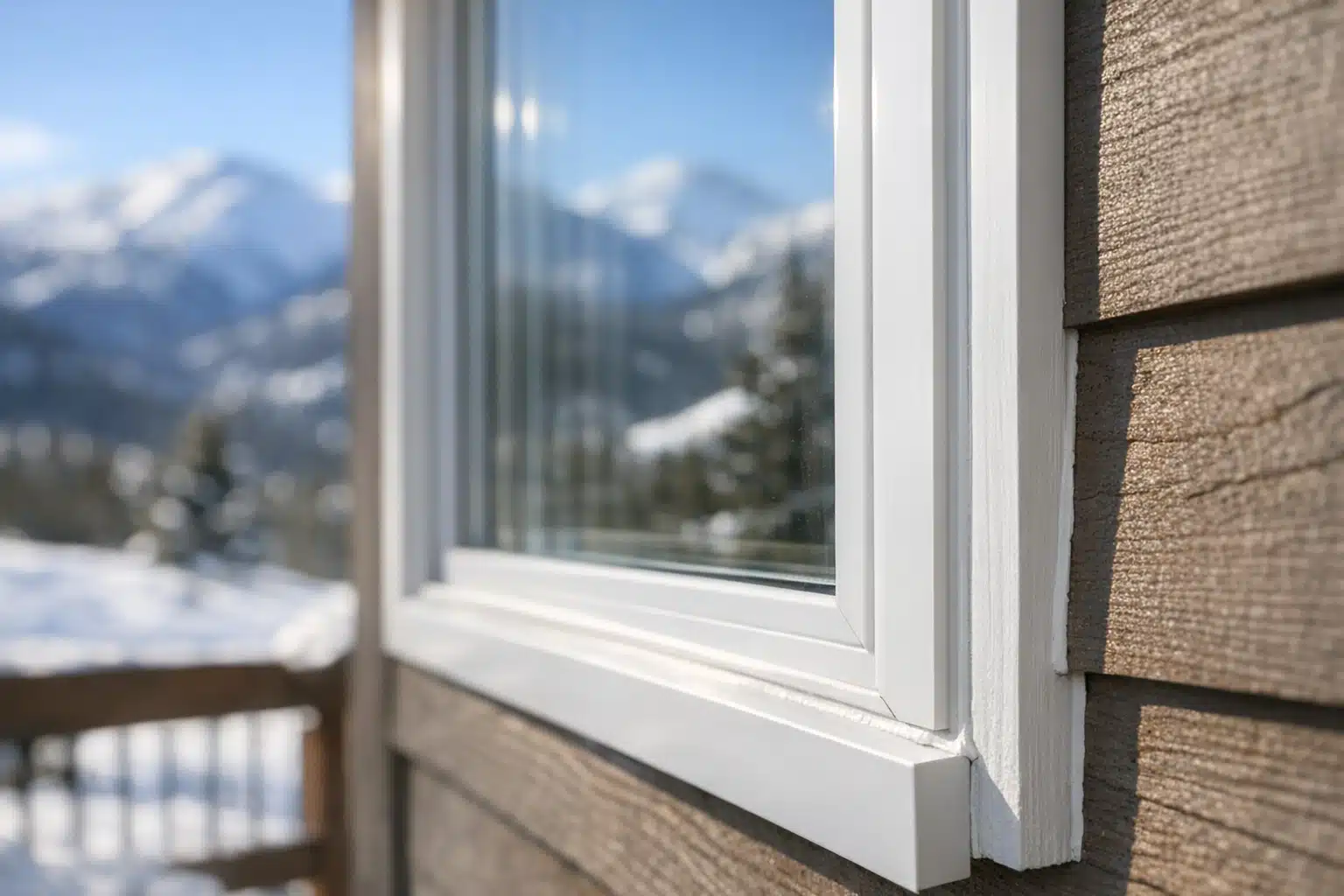
At 5,280 feet, Denver windows face stress that lowland homes never see. Winter window preparation in high altitude areas means defending glass, seals, and frames against rapid freeze-thaw swings and intense ultraviolet light. Get it wrong, and you pay for it in cracked seals, foggy panes, and heat loss.
This post breaks down what altitude does to your windows, how to prepare them before the first hard freeze, and the maintenance steps that keep them sound through spring.
Why High Altitude Effects Make Winter Window Preparation Different
High altitude effects on windows come from two forces: thinner air and stronger sunlight. Both attack the materials that keep your windows sealed and insulated.
Denver sees over 300 days of sun per year. The UV index at altitude runs 20-25% higher than at sea level. That extra radiation breaks down caulk, vinyl frames, and window film faster than most homeowners expect.
Freeze-Thaw Cycles Are the Real Threat
A freeze-thaw cycle happens when water trapped in a crack freezes, expands, then melts. Denver winters can swing from 15°F at dawn to 55°F by afternoon. That single-day swing repeats dozens of times each season.
Each cycle widens tiny cracks in caulk and grout. Water seeps deeper, freezes again, and pries the gap wider. Small seal failures in October become full air leaks by February.
Dry Air and Pressure Changes
Thin mountain air holds less moisture. Low humidity dries out caulk and weatherstripping, making them brittle and prone to cracking.
Pressure differences between inside and outside also stress double-pane seals. When a seal fails, the insulating gas escapes and moisture fills the gap. That is the foggy window you cannot wipe clean.
A Step-by-Step Winter Window Preparation Checklist
Start before the first sustained freeze, usually mid-to-late October along the Front Range. Follow these steps in order.
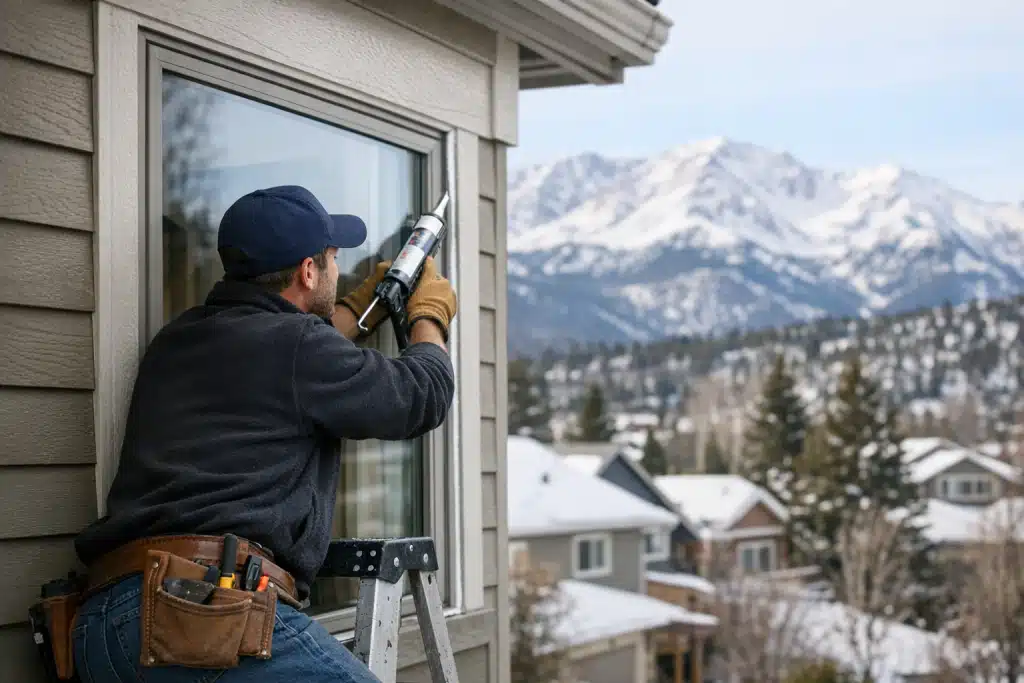
- Clean the glass and tracks fully. Dirt and mineral deposits trap moisture against seals. Hard water spots from Denver’s water etch glass over time.
- Inspect every caulk line. Look for cracks, gaps, and spots where caulk has pulled away from the frame.
- Check the weatherstripping. Press on it. If it stays compressed or crumbles, replace it.
- Test for seal failure. Fog or condensation between panes means the insulating seal has broken.
- Clear and dry the weep holes. Blocked drainage holes let water pool and freeze inside the frame.
- Re-caulk exterior gaps. Use a cold-weather exterior sealant rated below freezing.
Why Cleaning Comes First
Caulk and sealant do not bond to dirty surfaces. Grime and mineral scale leave gaps where water enters.
Cleaning before sealing is the step most homeowners skip. It is the reason their fresh caulk fails by January.
Protecting Window Seals From Freeze-Thaw Damage
The seal is the first part to fail in high altitude winters. A compromised seal lets moisture in and heated air out.
Here is how to protect it:
- Use silicone-based exterior caulk. It stays flexible in cold and resists UV better than acrylic.
- Seal from the outside in. Exterior gaps are where freeze-thaw water enters first.
- Replace brittle weatherstripping with silicone or EPDM. Foam types dry out fast in low humidity.
- Add a storm window on older single-pane units. It cuts the pressure load on aging seals.
Flexible sealants matter at altitude because rigid products crack during the 40-degree daily swing. A caulk that cannot move will split by midwinter.
Spotting a Failed Double-Pane Seal
Look at your windows on a cold morning. Condensation trapped between the panes confirms a broken seal.
Once the seal fails, the gas fill is gone and the pane no longer insulates. You lose heat and gain a permanent haze. Replacement is the only fix for the glass unit itself.
Defending Against High Altitude UV Exposure
UV at altitude degrades window materials year-round, including winter. Snow reflects sunlight back onto the glass, raising UV exposure in the coldest months.
Reflected snow light can double the radiation hitting south-facing windows. Vinyl frames fade, caulk chalks, and interior-facing seals grow brittle.
Steps to Limit UV Damage
- Apply or check low-E window film. It blocks a large share of UV while letting light in.
- Inspect south and west frames first. They take the hardest sun load.
- Repaint or re-coat wood frames. Bare wood dries and splits under Denver sun.
- Replace sun-bleached caulk. Chalky, faded caulk has already lost its seal strength.
Homes in foothill areas like Evergreen and Golden see even stronger UV at higher elevation. Those windows need inspection every fall without exception.

 Posted on Google
Common Mistakes Denver Homeowners Make
Over years of fall window work along the Front Range, the same errors show up again and again.
- Sealing over dirt. Fresh caulk on a grimy frame peels within weeks.
- Using the wrong caulk. Interior acrylic caulk cracks outdoors in freezing temperatures.
- Ignoring weep holes. Blocked drains cause frame rot and ice buildup.
- Waiting too long. Caulk needs above-freezing temps to cure. Late November is too late.
- Skipping the north side. North frames stay damp longer and see the most freeze-thaw rot.
The north side matters because shaded glass holds snowmelt against the frame. That water freezes overnight and works into every gap.
When to Call for Help
Some winter window preparation tasks need a ladder, cold-rated materials, and a trained eye. Second-story windows and steep rooflines pose real risk on icy days.
A fall inspection catches failing seals before snow hides the damage. Ease Your Panes works on Front Range homes and knows how altitude wears glass and frames.
Call us if you spot fog between panes, cracked caulk, or drafts you cannot trace.
Key Takeaways
High altitude winters attack windows through freeze-thaw cycles and strong UV, so winter window preparation must start before the first hard freeze. Clean first, seal with flexible cold-rated caulk, clear your weep holes, and inspect south-facing and north-facing frames closely.
For a fall window inspection and cleaning across the Denver area, contact Ease Your Panes at (720)-477-3273 or email info@easeyourpanes.com. You can also visit https://www.easeyourpanes.com.
Sources
- EPA – UV Index Scale
- U.S. Department of Energy – Air Sealing Your Home
- U.S. Department of Energy – Update or Replace Windows
- National Weather Service – Denver/Boulder Forecast Office


