

5 Ways Dirt and Contaminants Impact Solar Panel Efficiency and Reduce Energy Production
Dirt and contaminants significantly impact the efficiency of solar panels, leading to reduced energy production and increased operational costs. Regular cleaning is essential for maintaining optimal performance and protecting the investment in solar technology.
- Accumulation of dirt and dust creates a barrier that limits sunlight absorption, reducing overall efficiency. This leads to lower daily energy production and increased reliance on grid electricity.
- Uneven dirt coverage can cause inconsistent energy output, resulting in partial shading and unbalanced energy production across panels. This inconsistency affects overall system performance.
- Contaminants can degrade the protective glass surface, trapping moisture and increasing the risk of corrosion and damage. Regular maintenance is crucial for extending the lifespan of solar panels.
Dirt, dust, and environmental contaminants can significantly reduce solar panel efficiency by creating a barrier that limits light absorption. This accumulation decreases the amount of sunlight that reaches the panels, resulting in lower energy production and overall system performance. Regular cleaning and maintenance are necessary to maintain optimal energy output.
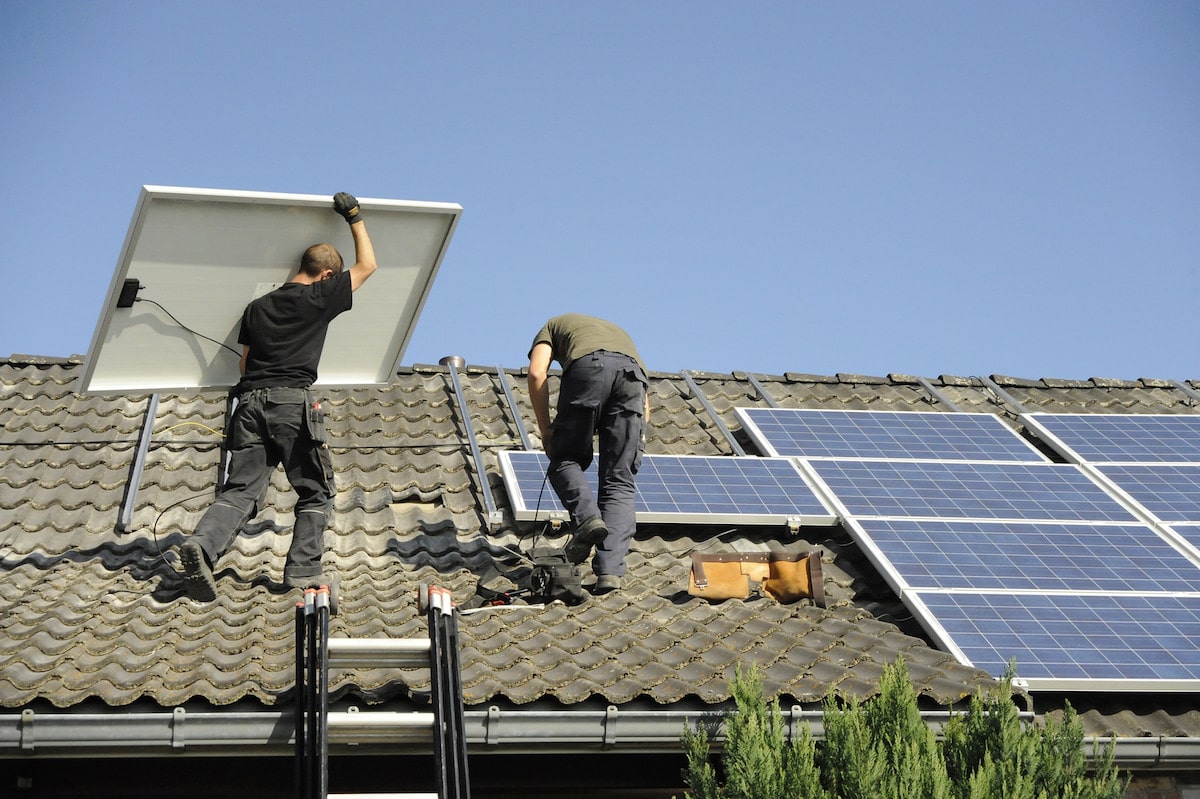
Solar panels are designed to capture and convert sunlight into usable energy, but their performance can decline significantly when dirt, dust, and environmental contaminants accumulate on the surface. Over time, this buildup creates a barrier that reduces light absorption and lowers overall system efficiency. Understanding how contamination affects solar panels is essential for maintaining optimal energy output, protecting your investment, and ensuring long-term renewable energy performance.
How Dirt and Dust Reduce Solar Panel Energy Output
Blocked Sunlight Limits Power Generation
Dust, pollen, and airborne debris form a thin layer over solar panels. This barrier reduces sunlight absorption and lowers photovoltaic efficiency.
- Less sunlight reaches solar cells
- Reduced energy conversion rate
- Lower daily power production
Uneven Dirt Coverage Causes Performance Loss
When dirt builds up unevenly, some panel sections receive less sunlight than others, leading to inconsistent energy output.
- Partial shading reduces system efficiency
- Unbalanced energy production across panels
- Lower overall system performance
Reduced Light Transmission Through Glass Surface
Contaminants decrease the transparency of protective glass, limiting how much solar radiation reaches the cells.
- Reduced light penetration
- Lower electricity generation
- Decline in peak performance output
Why Dirty Solar Panels Create Hot Spots and System Stress
Uneven Dirt Causes Overheating
Bird droppings, leaves, or dirt patches create shaded zones that overheat compared to clean areas.
- Localized temperature spikes
- Reduced panel efficiency
- Increased system stress
Electrical Resistance Builds in Affected Cells
Dirty sections disrupt electrical flow, forcing panels to work harder and reducing efficiency.
- Irregular energy flow
- Higher internal resistance
- Decreased system stability
Long-Term Heat Damage Risk
Persistent hot spots can damage photovoltaic cells and reduce panel lifespan.
- Risk of microcracks
- Permanent cell damage
- Expensive repair or replacement
How Dirt Accelerates Long-Term Solar Panel Wear
Surface Degradation From Environmental Build-Up
Dust, pollution, and debris trap moisture, gradually weakening protective coatings.
- Reduced surface durability
- Faster aging of panels
- Lower long-term efficiency
Micro-Scratches From Wind-Driven Particles
Sand and dust particles can act as abrasives when left uncleaned.
- Reduced clarity of panel surface
- Lower light absorption
- Permanent surface wear
Moisture Retention Increases Damage Risk
Dirt traps water, which increases corrosion and seal deterioration over time.
- Weakens protective layers
- Impacts panel structure
- Shortens lifespan

Good company. Not inexpensive, but quality work.
 Posted on Google
Financial Impact of Dirty Solar Panels on Energy Costs
Reduced Efficiency Increases Electricity Bills
Lower solar output forces reliance on grid electricity.
- Higher monthly energy costs
- Reduced savings from solar system
- Increased utility dependency
Longer Return on Investment (ROI) Period
Reduced energy production slows down payback on solar installation.
- Delayed ROI timeline
- Lower financial return
- Reduced system value
Increased Operational Costs Over Time
Poor performance may require more maintenance and corrective cleaning.
- Higher service costs
- More frequent inspections
- Lower long-term savings
Why Regular Solar Panel Cleaning Is Essential for Efficiency
Maintains Maximum Energy Output
Clean panels absorb more sunlight and operate closer to peak efficiency.
- Higher daily energy production
- Improved system performance
- Better long-term output
Prevents Hot Spots and Damage
Routine cleaning removes debris that causes uneven heating.
- Reduces risk of overheating
- Protects photovoltaic cells
- Extends system lifespan
Improves Return on Investment (ROI)
Clean systems generate more power, increasing financial returns.
- Lower energy bills
- Faster payback period
- Maximum solar savings
Enhances System Longevity and Safety
Regular maintenance protects electrical components and ensures stable performance.
- Longer system lifespan
- Improved reliability
- Reduced repair needs

