

Everything You Need to Know About Water-Fed Pole Window Cleaning Systems
Water-fed pole window cleaning systems utilize purified water and controlled pressure to clean glass surfaces from the ground, offering a safe and efficient alternative to traditional methods. This technology eliminates the need for chemicals, resulting in streak-free windows and enhanced productivity for cleaning teams.
- The system uses reverse osmosis and deionization to produce pure water that lifts dirt without detergents. Filters and pumps require regular maintenance to ensure optimal performance and longevity. Water-fed poles allow workers to clean high windows safely from the ground, reducing the risk of falls and increasing efficiency.
- Water-fed pole systems rely on purified water and controlled water pressure to clean glass surfaces safely and efficiently from the ground.
- The system begins with a water source that feeds into a purification unit where reverse osmosis filters push water through membranes to remove minerals and contaminants.
A water-fed pole window cleaning system is a method that uses purified water and controlled pressure to clean glass surfaces from the ground. It involves a purification unit that removes minerals and contaminants, allowing pure water to effectively lift dirt without detergents, making it an eco-friendly cleaning solution.
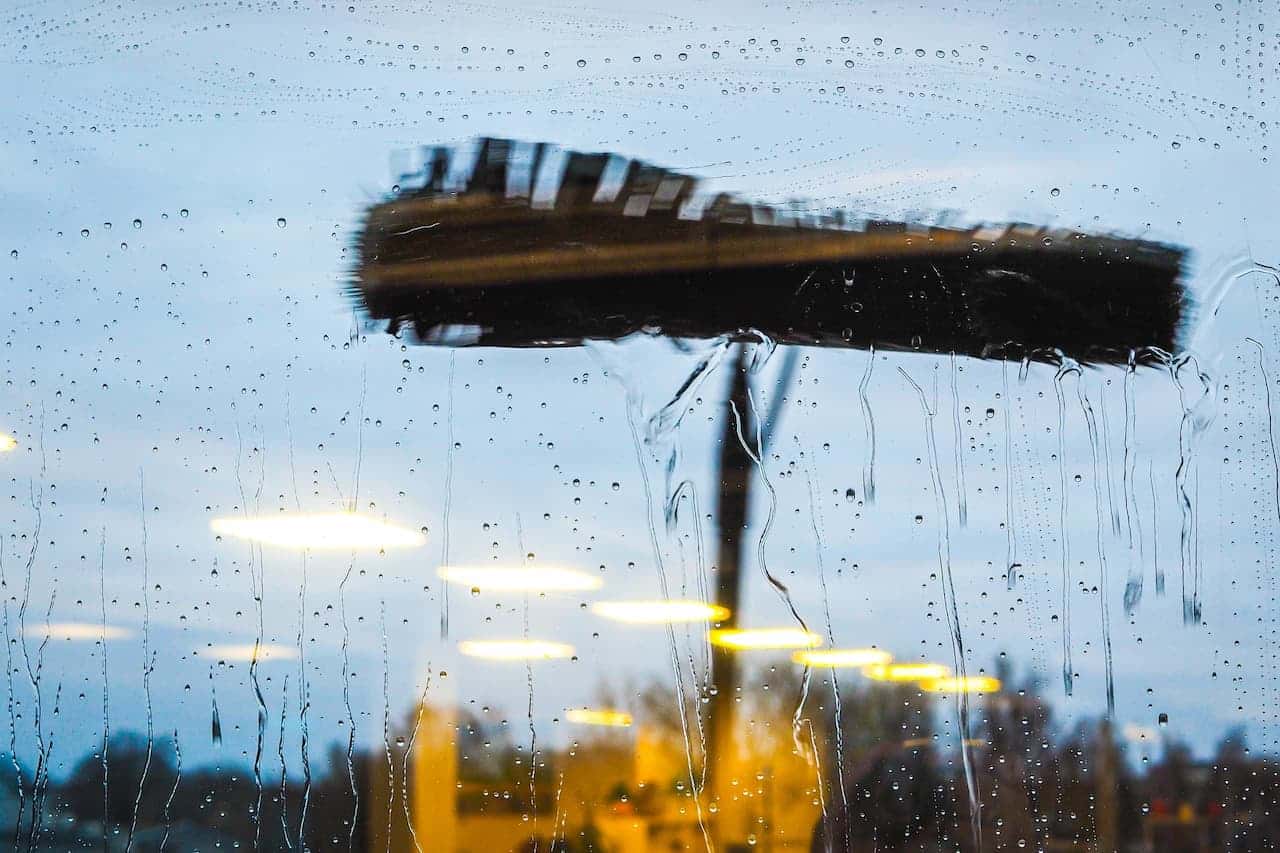
Water-fed pole systems rely on purified water and controlled water pressure to clean glass surfaces safely and efficiently from the ground. The system begins with a water source that feeds into a purification unit where reverse osmosis filters push water through membranes to remove minerals and contaminants. A final deionisation stage brings the Total Dissolved Solids level low enough for the water to dry without leaving marks. Pure water reacts differently from tap water because the absence of minerals allows it to lift dirt from the surface without the help of detergents. This creates a chemical-free cleaning method that is environmentally friendly, especially for facilities that also use solar panels and want to avoid residue buildup that lowers panel efficiency.
From there, pumps deliver consistent water pressure through the hose reel, carrying the purified flow up through telescopic poles. These poles, usually made from lightweight carbon fiber, extend several stories high while keeping workers safely on the ground. The water travels through the pole and exits through brush heads designed to loosen dirt while rinsing the glass at the same time. Since no chemicals are needed, the process eliminates streaks and reduces long-term surface wear.
The efficiency of a water-fed pole setup depends on maintaining its components. Filters must be replaced on schedule to keep membranes performing correctly, pumps need routine checks to maintain stable output, and hoses must remain free of kinks to ensure steady water pressure. Proper upkeep extends the lifespan of the entire system and keeps it functioning at commercial speed.
Window cleaning companies rely on this technology because it produces faster results than traditional methods while lowering the risk of falls. Pure water cleaning also reduces the need for scrubbing, increasing daily productivity for teams handling large buildings. When operators combine correct purification levels, strong equipment maintenance habits, and precise pole techniques, they achieve spotless glass and safer working conditions across the community.
How Pure Water Technology Works
Water-fed pole systems clean windows effectively because they rely on purified water produced through advanced filtration technology. Two main purification methods work together to remove nearly all dissolved minerals, salts, and contaminants before the water reaches the glass surface.
Reverse Osmosis Filtration
• This method forces tap water through a semi-permeable membrane with microscopic pores.
• Only pure water molecules can pass through these openings, while larger contaminants—including sediment, metals, and mineral compounds—are rejected and flushed away.
• The membrane acts as a high-efficiency barrier, producing extremely clean water ideal for professional window and solar panel cleaning.
Deionization Resin Treatment
• Deionization systems contain resin beads with charged ions that attract and capture dissolved minerals.
• As water flows through the resin bed, ion exchange occurs: the beads pull out calcium, magnesium, sodium, and other mineral ions.
• The result is highly purified water that contains no dissolved solids, making it safe for final rinse stages and spot-free results.
How Purity Levels Are Measured
• Both systems aim to reduce total dissolved solids (TDS) to extremely low levels.
• Window cleaners measure TDS with handheld digital meters to ensure water purity stays below 10 parts per million.
• Most professional-grade units produce water between 0–5 ppm, which guarantees maximum cleaning performance on glass.
How Pure Water Cleans Glass
• Pure water has no minerals, so it naturally seeks to rebalance itself by absorbing particles from whatever surface it touches.
• This allows it to pull dirt, organic buildup, and grime away from the glass without the use of detergents or chemicals.
• The cleaning action becomes stronger as the water absorbs more contaminants, making the process efficient and environmentally friendly.
Why Spot-Free Drying Happens
• Tap water leaves visible marks because the minerals remain on the glass after evaporation.
• Purified water leaves no trace because it contains zero dissolved solids.
• Once the glass is rinsed, the surface dries completely clear without wiping, buffing, or squeegeeing.
This combination of reverse osmosis, deionization, and pure-water cleaning results in streak-free windows, safer ground-based operations, and faster completion times for professional window cleaning teams.
Key Components of a Professional Water-Fed Pole Setup
A complete water-fed pole system needs multiple parts that connect to deliver clean water to high windows. The base component includes water storage tanks—ranging from 250 to 650 liters—installed in work vehicles or utility trailers for mobile window cleaning operations.
A delivery pump creates steady pressure, measuring between 60-100 PSI, which forces purified water through durable hoses to the cleaning pole. The telescopic pole itself uses carbon fiber or aluminum construction, reaches 20-70 feet in height, and contains internal water channels.
At the top end, specialized brush heads with spray jets spread water across glass surfaces while scrubbing away dirt. Critical water-fed pole system components & accessories include flow control valves, pressure adjustment devices, quick-release connectors, and rechargeable battery packs.
Professional window cleaners depend on deionization resin containers, total dissolved solids meters, and multi-stage filtration equipment to keep water purity at optimal levels for streak-free cleaning results.
The system relies on deionized water chemistry, where mineral-free H2O naturally attracts dirt particles and evaporates without leaving residue marks. Water quality testing ensures the parts-per-million measurement stays below 10 PPM for effective window washing.
Proper maintenance of filtration media, regular monitoring of water conductivity readings, and replacement of worn brush bristles keep the entire cleaning apparatus functioning at peak performance standards.

 Posted on Google
Safety and Efficiency Advantages Over Traditional Methods
Ladder-based window cleaning leads to roughly 35 percent of workplace injuries in the commercial cleaning industry, making safety a major concern for business owners and service providers. Water-fed pole systems eliminate this risk by allowing workers to clean high windows from the ground. This ground-level operation aligns with professional safety standards and reduces the need for ladders, scaffolding, or aerial lifts, helping companies maintain OSHA compliance while protecting workers from fall-related accidents.
These systems also improve productivity. Water-fed poles enable crews to clean 30 to 40 percent more window surface per hour than traditional squeegee methods because the steady flow of purified water removes dirt efficiently in fewer passes. Workers no longer have to stop to refill buckets or reposition climbing equipment, which makes multi-story buildings significantly easier and faster to service. The purified water dries spot-free, removing the need for time-consuming detailing or touch-ups.
By reducing setup time, minimizing physical risks, and delivering cleaner results with less effort, water-fed pole systems lower labor costs by as much as 25 percent. Commercial window cleaning companies benefit from greater efficiency, improved safety performance, and a stronger return on investment while maintaining compliance with industry regulations.
When to Use (and Not Use) Water-Fed Pole Cleaning
Water-fed pole systems work best for certain building types and window conditions. Professional window cleaners must evaluate each property before choosing this cleaning method.
These systems excel at cleaning office buildings with large glass exteriors, apartment complexes, and structures with hard-to-reach windows up to 70 feet high. The purified water technology produces streak-free results on standard residential and commercial glass without heavy mineral buildup or construction residue.
Water-fed poles have clear limitations that affect their performance. Historic properties with ornamental leaded glass require hand-cleaning techniques to protect fragile materials.
Windows covered with paint overspray, adhesive residue, or hardened contaminants need scraper tools and traditional cleaning solutions. Ground-level retail storefronts benefit from squeegee methods that provide instant drying for customer-facing displays.
Glass surfaces with extreme dirt accumulation, oxidation stains, or manufacturing labels must undergo conventional cleaning before switching to water-fed pole maintenance programs.
Understanding when water-fed pole systems deliver optimal results versus when traditional methods work better helps window cleaning professionals select the right approach.
This knowledge protects building materials, achieves superior cleanliness standards, and maintains cost efficiency across different property types and window conditions.

