

How to Protect Window Seals During Seasonal Cleaning | Prevent Damage, Leaks & Energy Loss
Window seals are vital for maintaining energy efficiency and comfort in homes. Proper cleaning techniques and regular inspections can prevent damage to these seals during seasonal cleaning.
- Harsh chemicals and abrasive tools can damage window seals, leading to costly repairs. Safe cleaning methods include using pH-neutral solutions and soft cloths.
- Regular inspections help identify issues like condensation or cracks in seals, which can indicate the need for repair.
- Routine maintenance, such as checking weatherstripping and caulking, extends the life of window seals and improves overall energy efficiency.
To protect window seals during seasonal cleaning, gently clean the area around the seals with a soft cloth and mild soap solution. Avoid using harsh chemicals or excessive water, as these can damage the seals. Regularly inspect for wear and replace any damaged seals to maintain energy efficiency.
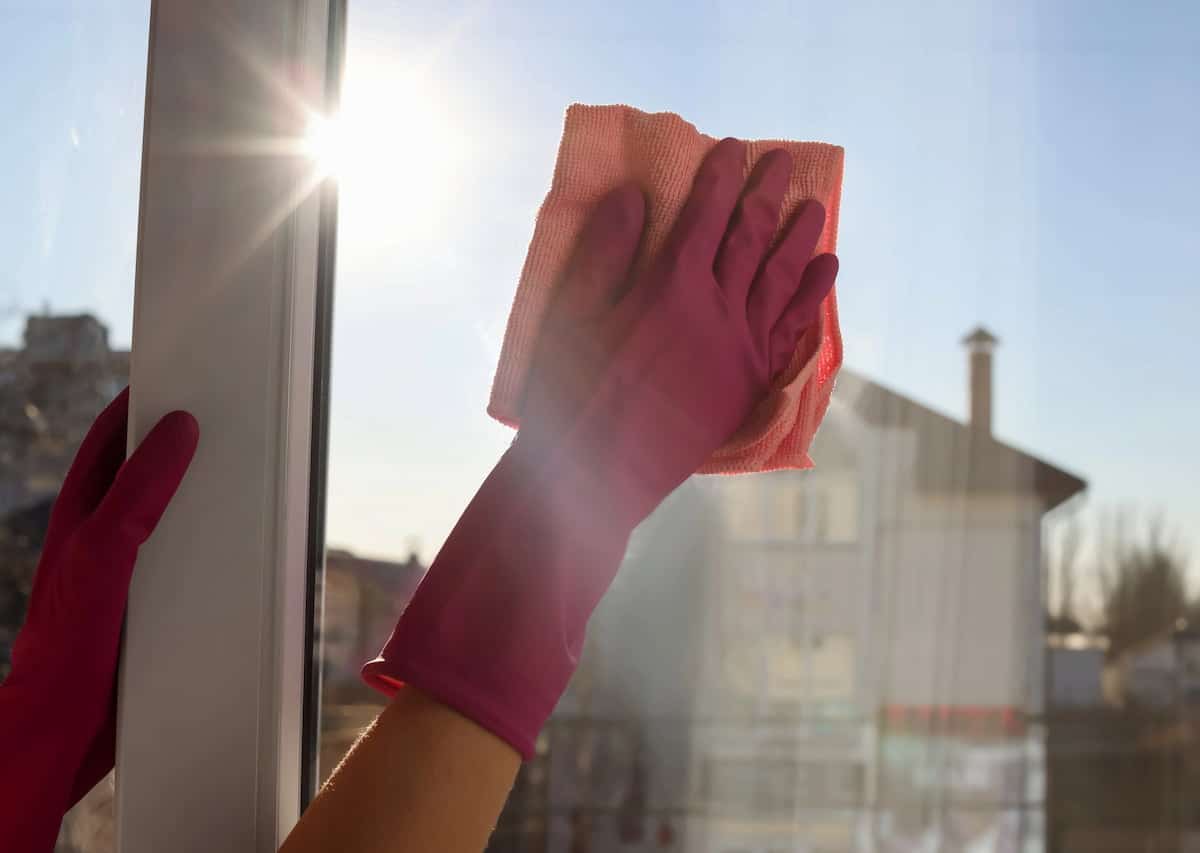
Window seals play an important role in keeping your home comfortable and energy-efficient. These seals create an airtight barrier that prevents outside air, moisture, and temperature changes from entering your home.
During seasonal cleaning, however, window seals can be damaged by harsh chemicals, excessive water, and abrasive tools. Protecting them requires the right cleaning products, careful techniques, and regular inspection.
Using safe cleaning practices helps preserve rubber gaskets, vinyl weatherstripping, and insulated glass seals. Proper maintenance keeps windows working efficiently and prevents costly repairs or replacements.
Why Window Seals Are Vulnerable During Cleaning
Window seals are designed to keep insulated glass units airtight. However, they can break down when exposed to strong chemicals, heavy water exposure, or rough cleaning tools.
Many homeowners unknowingly damage window seals while trying to clean their windows thoroughly.
Common causes of window seal damage include:
- Harsh cleaning chemicals, such as ammonia-based solutions that weaken rubber and vinyl materials
- Excessive water exposure that seeps into gaps around frames and weatherstripping
- Pressure washers that force water into the seal structure and dislodge gaskets
- Abrasive tools like metal scrapers or stiff brushes that scratch seal surfaces
- Sudden temperature changes when cold water hits seals heated by direct sunlight
Understanding these risks helps homeowners adjust their cleaning approach and prevent long-term damage.
Safe Cleaning Methods That Protect Window Seals
Cleaning windows safely requires gentle products and careful application. Using the right tools and methods helps maintain seal integrity while still achieving clear, streak-free glass.
Follow these safe cleaning practices to protect window seals:
- Choose pH-neutral cleaning solutions designed for glass and sealed window systems
- Use microfiber cloths or soft brushes that remove dirt without scratching seals
- Spray cleaners onto the cloth instead of the glass to limit contact with seal edges
- Keep cleaning solutions at least two inches away from seals whenever possible
- Wipe windows from top to bottom to prevent liquid from pooling near seal borders
- Dry seal areas immediately with absorbent cloths to prevent moisture penetration
These techniques reduce chemical exposure and prevent water from entering the insulated glass system.
Window Components That Require Extra Care During Cleaning
Many parts around a window contribute to the seal system. Cleaning these areas carefully helps maintain the entire window structure and prevents premature seal failure.
Window Frame Edges
The edges where the frame meets the glass should be cleaned gently with soft cloths. Rough scrubbing can loosen seals or separate them from the frame.
Window Sills
Window sills collect runoff during cleaning. Always dry them completely to prevent long-term moisture exposure that may damage nearby seals.
Drainage or Weep Holes
Exterior window frames often contain small drainage openings that allow trapped water to escape. Keep these holes clear while avoiding direct contact with surrounding seals.
Sliding Window Tracks
Sliding window tracks accumulate dirt and debris. Clean them carefully without pushing hard against the compression seals along the edges.
Weatherstripping and Caulking
Weatherstripping and exterior caulking help reinforce window seals. During cleaning, inspect these materials for cracks, gaps, or deterioration.

 Posted on Google
Signs Your Window Seals May Need Inspection
Regular inspection helps identify window seal damage early. Catching small issues before they worsen can prevent energy loss and expensive repairs.
Watch for these common warning signs:
- Condensation or fog between glass panes, indicating a broken insulated seal
- Visible cracks or gaps in rubber weatherstripping or sealant
- Cold or warm air leaks around the window edges
- Mold or mildew growth near frames caused by trapped moisture
- Unexpected increases in heating or cooling costs
If these signs appear, the window seal system may require repair or professional inspection.
Seasonal Maintenance Tips to Extend Window Seal Life
Routine maintenance keeps window seals flexible and effective for many years. Including seal checks during seasonal cleaning helps prevent costly window problems.
Simple maintenance habits include:
- Inspect seals every season when cleaning windows
- Remove dirt buildup around frames before applying cleaning solutions
- Avoid pressure washers near window frames and glass seals
- Replace damaged weatherstripping quickly to prevent air leaks
- Check exterior caulking annually and reseal when cracks appear
Consistent maintenance helps preserve window insulation performance and improves overall home energy efficiency.
Protecting Window Seals Helps Maintain Energy Efficiency
Window seals are essential components of modern double-pane and triple-pane windows. These seals hold insulating gases such as argon or krypton between glass panes, helping regulate indoor temperatures.
When seals fail, the insulating gas escapes and moisture enters the glazing cavity. This reduces thermal performance and increases heating and cooling costs.
Using safe cleaning practices, gentle tools, and regular inspections ensures window seals remain intact. Protecting these small components keeps your windows efficient and your home comfortable throughout the year.

