

How Wildfire Seasons Are Transforming Exterior Cleaning Needs | Protect Homes, Air Quality & Property Value
Wildfire seasons are changing how homeowners approach exterior cleaning, making it essential for fire prevention and property preservation. Regular cleaning helps mitigate the risks associated with harmful ash and smoke residue that can damage surfaces and reduce air quality.
- Wildfire ash contains harmful chemicals that can corrode surfaces and increase fire risks. Regular cleaning of roofs, gutters, and siding is crucial for maintaining property safety.
- Homeowners should adapt their cleaning schedules to align with wildfire risk periods, conducting inspections and maintenance more frequently.
- Professional cleaning techniques, such as soft washing and pH-neutral detergents, are recommended to effectively remove ash without damaging exterior materials.
Wildfire seasons are significantly altering exterior cleaning requirements for homeowners. Routine maintenance has evolved into a critical practice for fire prevention, safeguarding health, and preserving property value. This shift emphasizes the importance of proactive cleaning measures to mitigate the risks associated with wildfires.
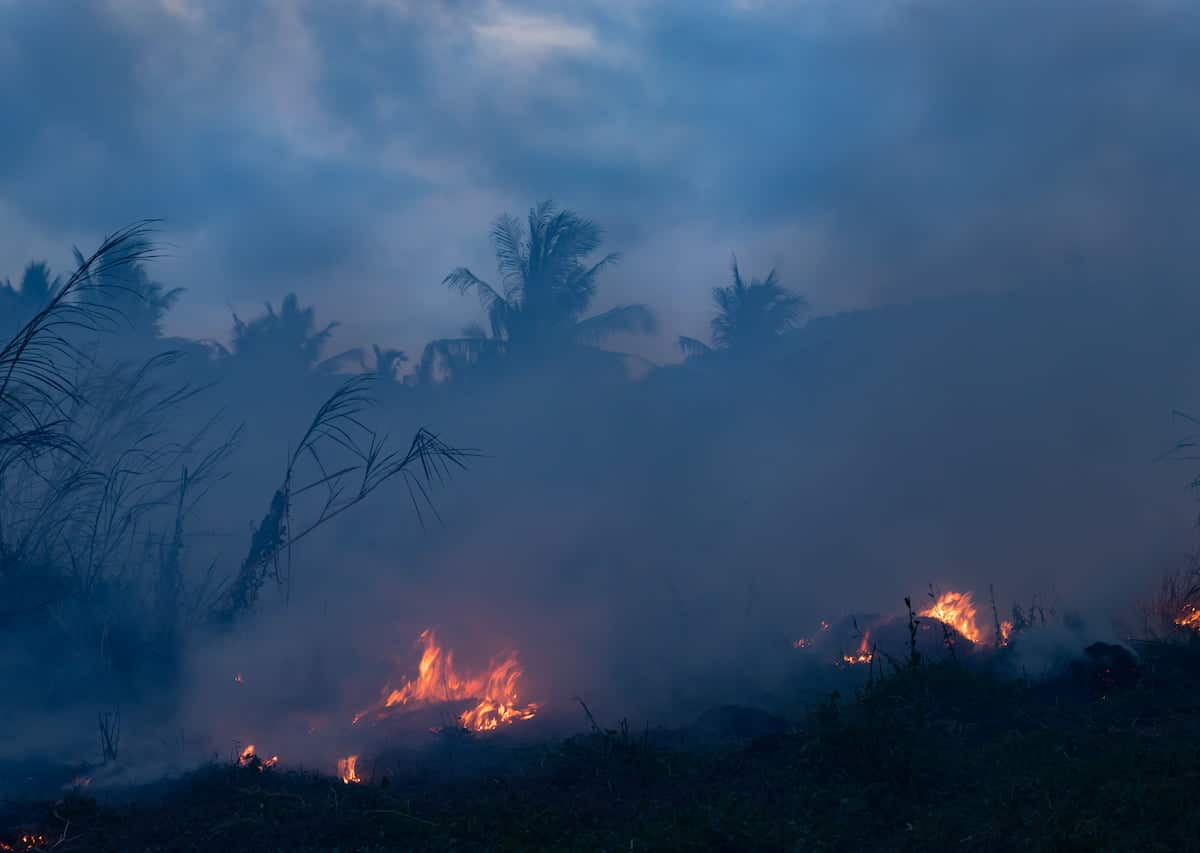
Wildfire seasons are changing the way homeowners approach exterior cleaning. What was once routine maintenance is now an important part of fire prevention, health protection, and property preservation.
Wildfire ash and smoke residue contain harmful chemicals that settle on roofs, siding, driveways, and outdoor equipment. Without proper cleaning methods, these contaminants can damage surfaces, reduce air quality, and increase fire risk.
Adapting exterior cleaning routines for wildfire seasons helps protect homes from corrosion, debris buildup, and dangerous ignition sources.
Why Wildfire Ash Creates Unique Exterior Cleaning Challenges
Wildfire ash behaves very differently from normal dust or dirt. The particles are extremely fine and contain acidic compounds produced by burned vegetation, plastics, treated wood, and building materials.
When ash settles on exterior surfaces, it can penetrate deep into pores and cause long-term damage.
Key problems caused by wildfire ash
- Acidic residue that slowly corrodes paint, siding, roofing materials, and metal fixtures
- Microscopic particles that embed into porous materials such as stucco, wood, and concrete
- Toxic compounds from burned plastics and construction materials
- Airborne ash spread that allows contamination to travel many miles from the fire zone
Standard pressure washing often fails to remove these particles completely. In many cases, high-pressure cleaning can spread ash or push contaminants deeper into surfaces.
Professional exterior cleaning methods typically rely on soft washing and specialized detergents that dissolve residue without damaging exterior materials.
Exterior Areas That Collect the Most Wildfire Ash and Debris
Certain areas of a property accumulate much more ash and debris than others. These surfaces require regular inspection and cleaning during wildfire season.
Roof surfaces
Roofs are the primary landing zone for airborne ash and debris.
Common issues include:
- buildup of ash particles in shingles
- accumulation of pine needles and dry vegetation
- debris trapped around roof valleys and flashing
Regular roof cleaning removes ignition materials and prevents long-term surface deterioration.
Gutters and drainage systems
Gutters collect combustible materials such as leaves, needles, and dry debris.
Important cleaning tasks include:
- removing organic debris from gutter channels
- clearing ash deposits that block drainage
- preventing ember accumulation during wildfire events
Clean gutters help reduce fire risk and prevent water damage.
Siding and exterior walls
Smoke residue and ash cling to siding materials and painted surfaces.
Areas most affected include:
- textured stucco surfaces
- vinyl siding panels
- wood siding and trim
Routine exterior washing prevents staining and protects protective coatings.
Windows, frames, and seals
Ash collects around window frames, seals, and sills.
Regular cleaning helps:
- prevent staining on painted surfaces
- protect window seals from chemical residue
- reduce the amount of ash entering indoor spaces
HVAC systems and exterior vents
Outdoor HVAC equipment can draw ash into ventilation systems.
Maintenance steps include:
- cleaning around intake vents
- replacing contaminated air filters
- removing ash buildup near outdoor units
Keeping ventilation systems clean helps protect indoor air quality.
How Exterior Cleaning Helps Reduce Wildfire Risk
Exterior cleaning plays an important role in wildfire preparedness. Removing debris reduces the amount of fuel available for embers during fire events.
Benefits of wildfire-focused exterior cleaning
- removes combustible materials such as dry leaves and pine needles
- clears gutters and roof valleys where embers often accumulate
- reduces ash buildup that can damage siding and roofing
- improves defensible space around structures
- protects exterior materials from corrosive smoke residue
Fire safety agencies often recommend maintaining a defensible space zone around homes. This zone may extend 30 to 100 feet from structures, depending on local regulations and terrain.
Exterior cleaning supports defensible space maintenance by removing fine debris that landscaping alone may miss.

 Posted on Google
Adjusting Exterior Cleaning Schedules During Wildfire Season
Wildfire-prone regions require more frequent inspections and maintenance than standard seasonal cleaning schedules.
Instead of cleaning once or twice per year, homeowners should follow a schedule aligned with wildfire risk periods.
Recommended wildfire-season cleaning schedule
Pre-fire season inspection
Before wildfire season begins, homeowners should:
- remove roof debris and fallen vegetation
- clean gutters and drainage systems
- inspect vents, soffits, and exterior openings
This preparation removes ignition materials before conditions become dry.
Mid-season maintenance checks
During peak wildfire months, property owners should:
- inspect roofs and gutters for new debris
- remove ash deposits after nearby fires
- check outdoor HVAC systems and ventilation points
- clear patios, decks, and entry areas
Frequent inspections help prevent ash buildup and reduce fire hazards.
Post-fire cleanup
After nearby wildfire events, thorough cleaning may be necessary to remove smoke residue and ash contamination.
Post-fire cleaning may include:
- washing siding and windows
- clearing ash from roofs and gutters
- cleaning driveways, patios, and decks
- inspecting exterior paint and protective coatings
This process protects exterior materials from corrosion and long-term damage.
Why Wildfire Cleaning Requires Professional Techniques
Cleaning wildfire ash safely often requires specialized equipment and cleaning solutions.
Professional exterior cleaning services typically use:
- pH-neutral detergents that break down acidic ash residue
- soft washing techniques that protect exterior materials
- low-pressure rinsing systems to avoid embedding contaminants
- controlled runoff methods to prevent environmental contamination
These techniques remove harmful particles while protecting roofs, siding, and landscaping.
Protecting Your Property During Wildfire Season
Wildfire seasons are reshaping how property maintenance is performed in fire-prone regions. Exterior cleaning is no longer just cosmetic maintenance—it is an important part of wildfire preparedness.
Regular cleaning removes ash, smoke residue, and combustible debris that can damage structures or increase fire risk.
By maintaining roofs, gutters, siding, and ventilation systems, homeowners can protect their property, improve air quality, and reduce wildfire hazards throughout the year.




