

Is It Time to Upgrade Your Home’s Windows for Better Summer Efficiency?
Windows are often the weakest thermal point in homes, with the Department of Energy estimating they account for 25% to 30% of residential heating and cooling energy use. Modern Low-E double-pane windows can significantly reduce summer heat gain and lower cooling costs.
- Signs you need a window upgrade include condensation between panes, rooms that never cool evenly, drafts near closed windows, windows older than 20 years, and warped or sticking frames.
- Prioritize replacing west-facing and south-facing windows first since they receive the most intense summer sun and heat load.
- Clean windows help maintain efficiency and reveal early problems like seal failure - Ease Your Panes offers cleaning services that double as window health inspections before summer arrives.
Old or single-pane windows allow summer heat to enter your home more easily, which forces your air conditioning system to work harder and run longer to maintain comfortable temperatures. This increased workload leads to higher cooling bills each month. Upgrading to newer, energy-efficient windows reduces heat gain and helps lower your overall energy costs during warm weather.
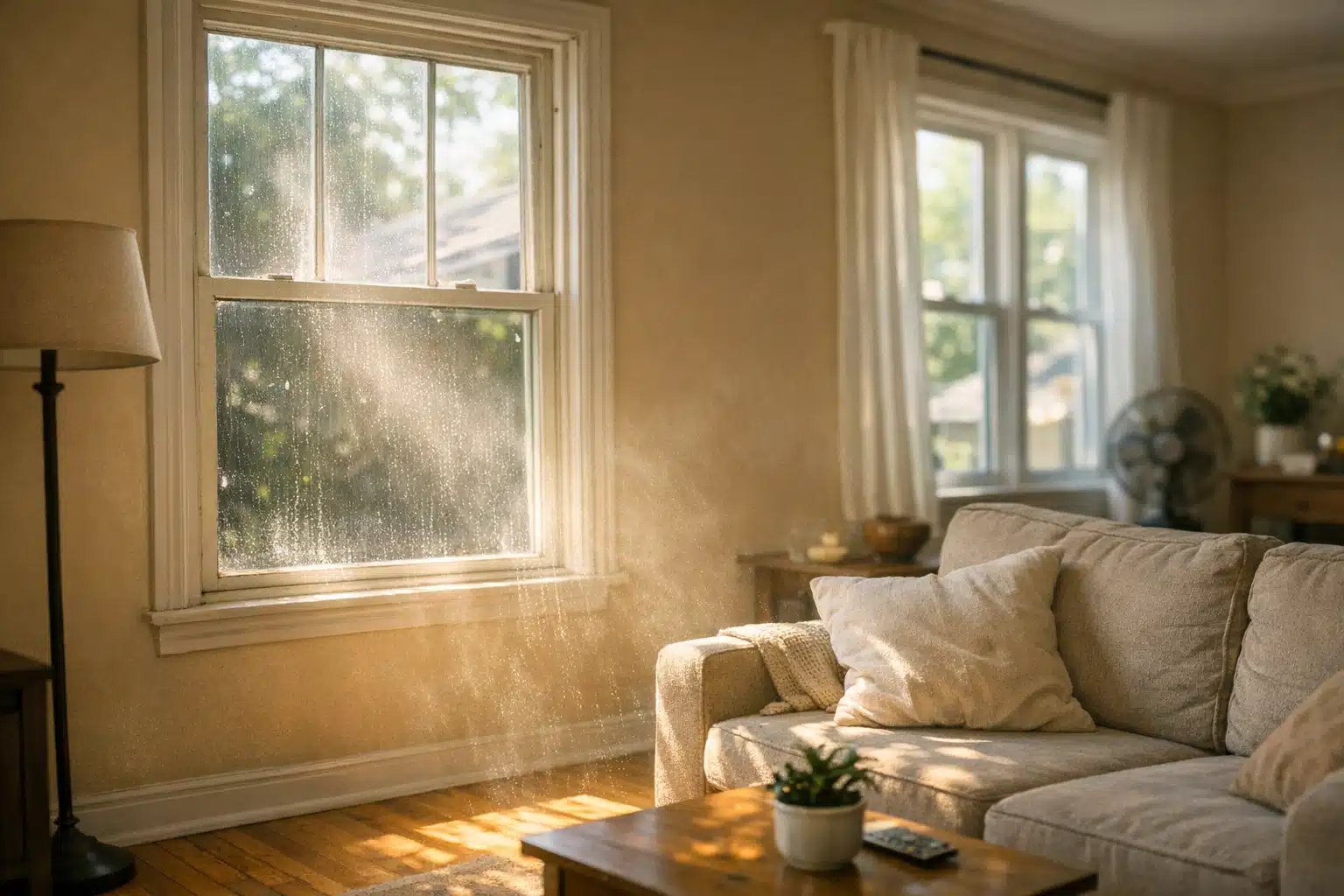
Rising cooling bills each June point to a specific culprit: your windows. Single-pane or aging glass lets summer heat pour into your home, forcing your air conditioner to run longer. A window upgrade can cut that heat gain and lower your monthly energy costs.
This post covers the exact signs that your windows are due for replacement. You will learn how modern glass improves summer efficiency, what to inspect before deciding, and how clean windows factor into the equation.
Why Windows Drive Your Summer Cooling Costs
Windows are the weakest thermal point in most homes. During peak summer, sunlight passing through glass turns into radiant heat inside your rooms. The Department of Energy estimates that heat gain and loss through windows accounts for 25% to 30% of residential heating and cooling energy use.
Older windows lack the coatings and gas fills that block solar heat. A south-facing single-pane window on a July afternoon can push interior surface temperatures well above 100°F. Your AC then fights a losing battle against that constant heat load.
How Modern Glass Blocks Summer Heat
Low-emissivity (Low-E) coatings are microscopic metallic layers on the glass. They reflect infrared heat back outside during summer. Double-pane windows with argon gas between panes add another insulating barrier.
The key metric is Solar Heat Gain Coefficient (SHGC). SHGC measures how much solar heat a window admits. Lower numbers mean less heat enters your home.
- Old single-pane clear glass: SHGC around 0.80
- Double-pane with Low-E coating: SHGC around 0.25 to 0.40
- Recommended for hot summer climates: SHGC of 0.40 or lower
Signs It Is Time for a Window Upgrade
A window upgrade makes sense when your existing windows show measurable performance problems. Watch for the following warning signs before summer peaks.
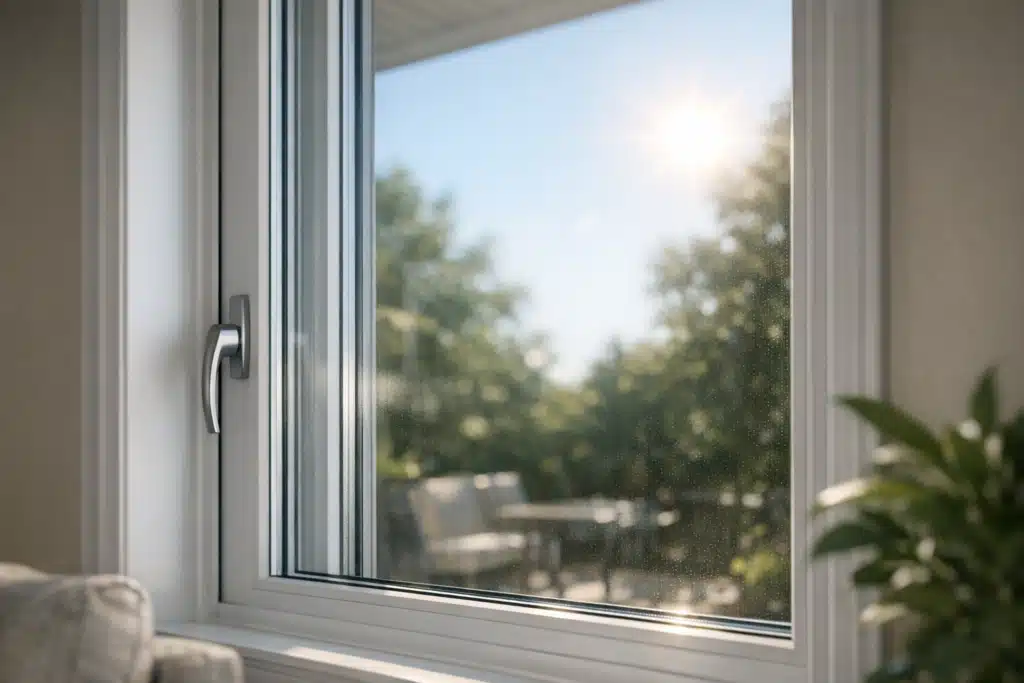
1. Condensation Between the Panes
Foggy glass between two panes means the seal has failed. The insulating gas has leaked out. That window no longer blocks heat the way it should.
2. Rooms That Never Cool Evenly
One room that stays hot despite a running AC often has poor windows. Feel the interior glass on a sunny afternoon. Warm glass indicates heat is passing straight in.
3. Drafts You Can Feel
Air movement near a closed window points to failing weatherstripping or warped frames. Drafts let conditioned air escape and hot air seep in. Hold a lit candle near the frame; a flickering flame confirms the leak.
4. Windows Older Than 20 Years
Windows installed before 2000 rarely include modern Low-E coatings. If your home has original builder-grade glass from that era, an upgrade will pay back in cooling savings.
5. Warped, Sticking, or Painted-Shut Frames
Wood frames that swell and stick trap moisture and lose their seal. Frames that no longer close flush leave gaps for heat transfer.
What a Window Upgrade Actually Saves You
Replacing single-pane windows with ENERGY STAR-certified models saves the average home real money. ENERGY STAR reports savings of $101 to $583 per year depending on climate and the windows replaced.
Beyond the dollar figure, upgraded windows steady your indoor temperature. Your AC cycles less, which extends its lifespan. Rooms that once baked in afternoon sun become usable again.
Prioritize by Sun Exposure
You do not have to replace every window at once. Start with the glass that takes the most summer punishment.
- West-facing windows: Hit by intense late-afternoon sun and the hottest heat load.
- South-facing windows: Exposed to sunlight for most of the day.
- Large picture windows: More glass surface means more heat gain.
- East-facing windows: Morning heat, a lower priority than west or south.
Clean Windows Are Part of the Efficiency Equation
New glass performs best when it stays clean. This is where window maintenance and summer efficiency intersect directly.
Grime, hard-water spots, and film build up on both sides of the glass. Dirty exterior surfaces scatter and trap heat differently than clean glass. Streaked or filmed windows also make it harder to spot early seal failure or condensation.
How Clean Glass Supports Cooling Performance
- Clear Low-E coatings work as designed when not buried under mineral deposits.
- Early problem detection: clean glass reveals fogging, cracks, and failing seals.
- Screens matter too: clogged screens block airflow when you open windows on cooler evenings.
At Ease Your Panes, our crews spot failing seals and damaged frames during routine cleaning. A cleaning visit becomes a free inspection of your window health before summer arrives.

 Posted on Google
Upgrade or Maintain? How to Decide
Not every window needs replacing. Use this side-by-side breakdown to judge your next step.
Signs You Should Upgrade
- Fog or moisture sealed between panes
- Single-pane glass in a hot-summer room
- Frames warped beyond repair
- Cooling bills climbing year over year
Signs You Can Maintain Instead
- Double-pane windows under 15 years old
- Intact seals with no interior fogging
- Dirt or film that cleaning will remove
- Weatherstripping that can be replaced cheaply
If your glass is sound but dirty, cleaning restores most of its heat-blocking function. If seals have failed, no amount of cleaning brings the performance back.
Steps to Prepare for a Summer Window Upgrade
Plan your upgrade before the hottest weeks arrive. Follow these steps to get the most cooling benefit.
- Inspect every window for fog, drafts, and sticking frames.
- Rank them by sun exposure, starting with west and south sides.
- Check for the ENERGY STAR label and a low SHGC rating on replacements.
- Schedule a cleaning to confirm which windows are dirty versus damaged.
- Get quotes early, since installers book fast as summer nears.
Final Takeaways
A window upgrade is worth it when seals have failed, frames are warped, or single-pane glass drives up your cooling bills. Modern Low-E double-pane windows cut summer heat gain and lower AC runtime. Clean, well-maintained glass keeps that efficiency working all season long.
Ease Your Panes can clean your windows and flag any seal or frame problems before the heat peaks. Call or text us at (720)-477-3273, email info@easeyourpanes.com, or visit https://www.easeyourpanes.com to book your summer inspection and cleaning.
Sources
- U.S. Department of Energy – Update or Replace Windows
- ENERGY STAR – Residential Windows, Doors and Skylights
- U.S. Department of Energy – Energy Efficient Window Coverings

