

Why Altitude & UV Light Make Colorado Windows Harder to Maintain
Recent Posts
Living in Colorado Springs presents unique challenges for window maintenance due to high altitude and intense UV exposure. Homeowners must prioritize stronger materials and regular upkeep to combat the effects of the environment on their windows.
- Windows at 5,280 feet receive 25% more UV exposure, leading to faster degradation of materials. Artworks and furnishings can fade quickly without proper protection.
- The dry climate and temperature swings cause window seals to dry out and fail sooner than expected, necessitating proactive maintenance.
- Professional installation and quarterly inspections are crucial for extending window lifespan and maintaining energy efficiency in Colorado's demanding conditions.
Windows in Colorado require special maintenance due to the high altitude and increased UV exposure, which can degrade materials faster. At 5,280 feet, windows receive about 25% more ultraviolet light, leading to quicker fading of furnishings and artworks, as well as increased indoor temperatures that challenge cooling systems.
Living in Colorado Springs means your windows face unique challenges that demand stronger materials, smarter design, and consistent care. At 5,280 feet above sea level, natural light is more intense and UV protection becomes essential because windows at this elevation receive about 25% more ultraviolet exposure. As UV intensity increases by 8–10% for every 1,000 feet of elevation, the glass and frame materials degrade faster, affecting everything inside the home as well. Artworks, furnishings, and flooring fade more quickly, while excess solar heat gain raises indoor temperatures and forces cooling systems to work harder. This environment also creates frequent glare, making living spaces less comfortable without the right window treatments in place.
Colorado’s climate adds to the stress. With more than 300 sunny days each year, windows endure continuous exposure to the elements. Winters in the region bring extremely dry air, often with humidity levels below 15%, causing window seals and materials to dry out prematurely. The daily temperature swings of 40–50°F cause repeated expansion and contraction, leading to cracks, seal failures, and reduced insulation performance. These issues accelerate aging far more quickly than in areas with more stable moisture and temperature levels, making protective measures essential for long-term durability.
Because of these conditions, professional installation and ongoing maintenance play a critical role in preserving window performance in Colorado Springs. Technicians use materials tested to ASTM standards to ensure they withstand the state’s high-altitude climate. Window treatments designed for UV protection and privacy help balance natural light while shielding interiors from damage. Quarterly inspections allow experts to spot the earliest signs of wear, from coating deterioration to weakening weatherstripping. With the right combination of proper installation, protective treatments, and consistent care, homeowners can significantly extend the lifespan of their windows and maintain energy efficiency despite the region’s demanding environment.
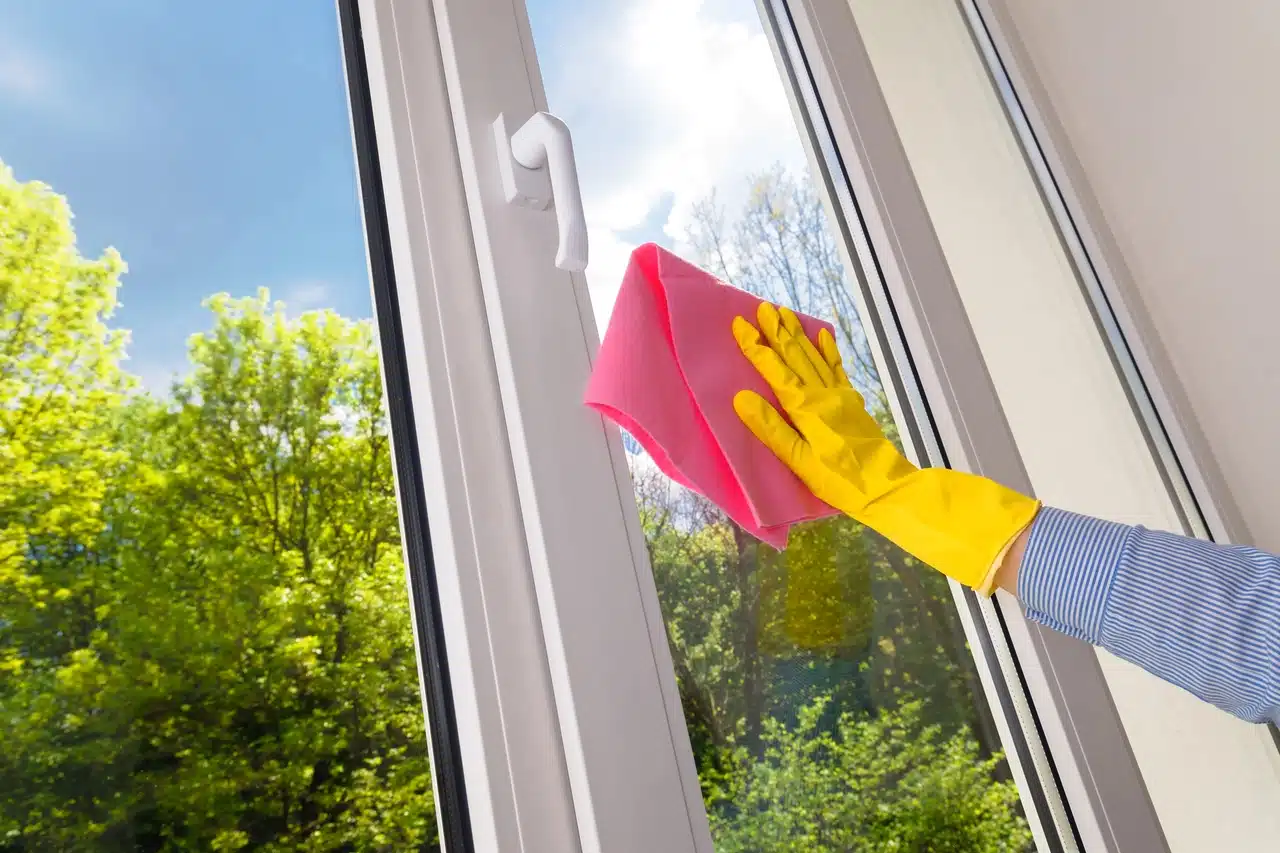
Understanding UV Damage at High Elevations
Mountain homes in Denver face one of the harshest environments for window materials because ultraviolet radiation is significantly stronger at higher elevations. At 5,280 feet, the thinner atmosphere filters far less UV light, allowing more UV-A and UV-B rays to strike windows, siding, paint, and interior surfaces. This elevated UV exposure doesn’t just fade colors — it also increases long-term risks like skin cancer for residents who rely on natural light without proper protection. The intense sunlight affects indoor comfort as well, influencing mood, temperature balance, and overall energy efficiency.
To counter these effects, window film becomes an essential layer of defense. Modern films reduce glare, block harmful UV rays, and extend the life of window materials that would otherwise deteriorate through photodegradation. Even with stronger materials, the extreme temperature swings in high-altitude environments cause window frames and sealants to expand and contract rapidly. These stresses break down polymers at an accelerated rate, making thermal insulation less effective and forcing homeowners to replace windows sooner. Smart windows offer a modern upgrade for those seeking adaptive light control, but even they require protection in Denver’s intense climate.
Colorado’s constant sunshine also pushes homeowners to rethink how they manage interior comfort. Roller shades and cellular shades help control solar gain while preserving views and privacy, creating a balanced indoor atmosphere that protects furnishings and artwork from fading. Because UV rays penetrate deep into materials, coatings on Low-E glass and vinyl frames weaken over time, which is why mountain homes require maintenance earlier than properties at lower elevations. Local building codes increasingly encourage the use of UV-resistant products and improved insulation strategies to safeguard homes from long-term damage. With strategic window treatments, upgraded materials, and carefully planned installations, Colorado homeowners can maintain comfort, protect their interiors, and extend the lifespan of their windows despite the persistent high-altitude sun.
How Dry Air and Temperature Swings Affect Glass and Seals
Colorado’s exceptionally dry climate creates conditions that accelerate window deterioration far beyond what most manufacturers anticipate. With humidity levels hovering between 30–40% for most of the year and dropping below 15% in winter, the air continuously pulls moisture from window seals. These materials, designed under ASTM C1265 standards that assume far higher humidity, dry out prematurely, turning brittle and eventually cracking open. What should function as a protective barrier becomes a weakened component long before its intended lifespan.
Daily temperature swings intensify the problem. In many Colorado regions, it’s common for temperatures to shift 40–50°F within hours, forcing window glass and frames to expand and contract repeatedly. Because each material moves at its own thermal rate, even small differences become destructive over time. Insulated windows suffer additional stress as the gas between panes expands in heat and contracts in cold, flexing the seals in constant cycles. Aluminum frames expand at a modest 13.1 × 10⁻⁶ per degree Fahrenheit, while vinyl frames expand more than twice as fast, at 28–35 × 10⁻⁶ per degree. When these materials respond differently to the same temperature changes, they tug against one another at the seal connection points, gradually pulling the seals apart.
This mismatch in movement explains why window seals in Colorado fail 30–40% faster than those in regions with stable temperatures and moderate humidity. The state’s bone-dry air robs seals of essential moisture while wide temperature swings create relentless mechanical stress. Together, these forces form a dual attack that dramatically shortens the window of lifespan. Homeowners often see gas leaks, fogging, or condensation between panes long before similar windows elsewhere show any decline, making proactive inspection and maintenance crucial for preserving window performance in Colorado’s challenging environment.
Protective Coatings and Maintenance Techniques That Work
Silicone-based sealants that meet ASTM C920 Grade NS, Class 25 standards provide the durability needed for Colorado’s elevated, semi-arid environment. Their flexibility remains stable above 5,000 feet, preventing the cracking and premature failures that occur with standard sealants exposed to dry air and rapid temperature shifts. Low-e coating technology also requires careful handling. Because this thin metallic layer is responsible for redirecting infrared heat back into the home, only ammonia-free cleaners with a pH between 5.5 and 8.0 should be used to avoid damaging the microscopic particles that make the coating effective.
Regular inspection plays a critical role in window longevity. Checking windows every three months helps identify early signs of seal deterioration and frame-joint stress caused by daily expansion and contraction cycles. UV-resistant films meeting ASTM D1435 standards further strengthen window performance by blocking 99% of ultraviolet rays below 380 nanometers—the wavelengths most responsible for fading, material degradation, and long-term structural weakening.
A consistent maintenance rhythm supports these protective measures. Washing windows every 45–60 days and replacing sealant every 36 months significantly reduces the risk of leaks, stress cracks, and premature wear common in high-altitude regions. Window performance in mountain climates depends on how well each component works as a system: sealant elasticity must match environmental movement, UV film must provide adequate shielding, and cleaners must be chemically compatible with sensitive coatings.
For building owners and facility managers in elevated locations, understanding these product standards is essential. Informed material selection paired with climate-specific maintenance practices ensures longer-lasting windows, greater energy efficiency, and fewer costly repairs in Colorado’s demanding conditions.
Partnering with Experts for Long-Term Window Durability
Certified window maintenance professionals complete rigorous training through the Institute of Inspection, Cleaning, and Restoration Certification and OSHA safety programs, giving them advanced skills that exceed the basic warranty requirements set by window manufacturers. These specialists follow structured service plans designed to protect windows long-term, especially in climates where sun exposure, dry air, and temperature swings cause accelerated wear. Their work begins with precise measurement tools that evaluate sun damage, coating deterioration, and surface changes. Cleaning happens with pressure washers calibrated between 300 and 500 PSI, a safe range for residential glass that adjusts according to elevation to prevent microfractures or coating damage.
Homes located above 5,000 feet require added protection, and professional contractors apply siloxane coatings that meet ASTM E2768 standards to create strong water-repelling barriers. These treatments protect glass and frame materials from UV intensity, freeze–thaw cycles, and moisture loss. Service companies visit homes on a quarterly schedule, taking high-resolution photos at each appointment to track wear patterns and identify emerging problems early. This documentation creates a historical record that helps prevent unexpected failures, such as compromised seals or cracks forming from thermal stress.
Quality service contracts include performance evaluations that measure optical clarity, seal integrity, and overall customer satisfaction, ensuring the windows maintain energy efficiency and structural performance. Thermal imaging tests reveal air leaks long before they become visible, while clarity assessments determine whether coatings and glass surfaces still function as intended. Over the lifespan of a window system, proactive maintenance programs reduce total ownership costs by 23–31 percent compared to reactive repairs. The savings come from fewer emergency fixes, extended window lifespan, and reduced risk of major failures that would otherwise require full replacement.

