

The Future of Window Cleaning: Drones, Robots, and Automation
The future of window cleaning is being reshaped by automation, with drones and robotic systems enhancing efficiency and safety. These innovations allow for consistent cleaning results while significantly reducing labor costs and risks associated with manual methods.
- Automated systems minimize the need for staff to work at heights, improving safety and efficiency.
- Robotic and drone technologies provide eco-friendly cleaning solutions that reduce chemical use and environmental impact.
- Companies adopting these tools can achieve faster service and maintain a high-quality appearance for their properties, enhancing customer satisfaction.
Drones and robots play a significant role in modern window cleaning by enhancing efficiency and safety. They automate the cleaning process, reducing the need for workers on ladders or suspended platforms. Equipped with advanced sensors and cleaning agents, these machines ensure consistent results while minimizing labor costs and accident risks.
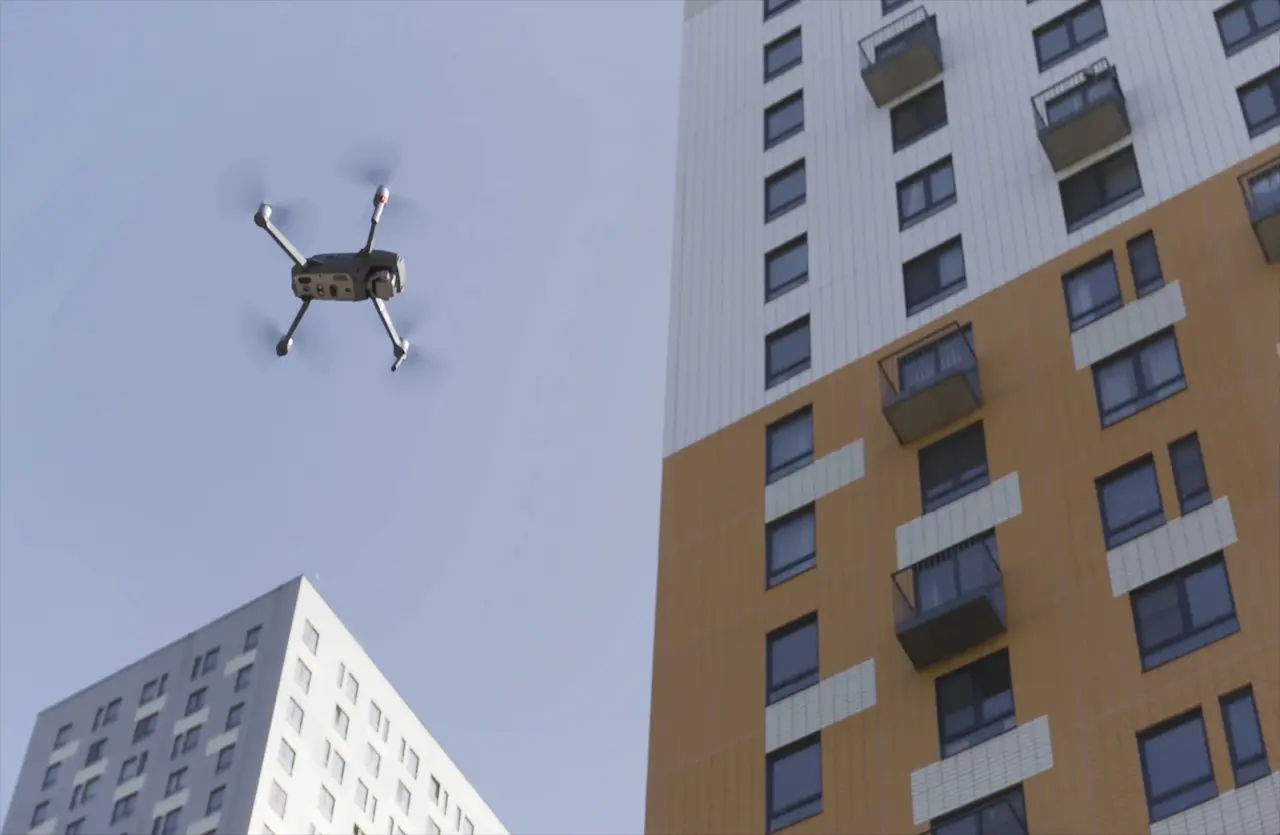
Over the past decade, innovation in building maintenance has given professionals a significant edge in efficiency
and safety. Automated systems, including drones and robotic crawlers, are transforming window cleaning by
reducing the need for staff to work on ladders or suspended platforms. These machines combine advanced sensors
and chemical cleaning agents to deliver consistent results while meeting strict operational requirements.
Facility managers and service leaders rely on these systems not only for the outcome of spotless windows but also
for the reduced risk of accidents and lower labor costs. Operators with expertise in robotics and automation can
monitor multiple units simultaneously, ensuring each building receives attention tailored to its specific conditions.
This level of oversight allows teams to focus on staff development, strategic planning, and service expansion rather
than manual labor.
The disruption created by these tools benefits commercial properties, hospitality centers, healthcare facilities, and
high-rise residential towers. Early adopters gain a competitive advantage by integrating technology that meets both
efficiency and safety standards. Articles and industry reports highlight how the right combination of expertise,
chemical formulations, and automation can drive measurable improvements in service quality and operational
outcomes, giving organizations the edge needed to lead in a rapidly evolving market.
Drone Window Cleaning: Safety and Speed at New Heights
Cleaning high-rise windows has traditionally demanded extensive manpower, lifts, and equipment, often creating
safety risks and inefficiencies. Modern devices, including drones and robotic cleaners, now perform multiple passes
over glass surfaces to remove grime and streaks while ensuring clean windows without putting staff in danger.
These systems allow hospitals, schools, and office buildings to maintain sparkling exteriors without interrupting
daily operations or exposing workers to heights.
Steam crystal technology and high-pressure sprays enhance results by dissolving tough residues and mineral
deposits, leaving a streak-free finish that is safer and more consistent than manual labor. Students and staff in
educational facilities experience fewer disruptions, as cleaning occurs quickly and efficiently outside of active hours,
reducing overtime and operational interruptions.
These devices also minimize environmental impact by using precise amounts of water and cleaning solutions,
significantly lowering chemical runoff and waste compared to traditional methods. By automating repetitive passes
and integrating navigation systems that adapt to complex window layouts, property managers achieve superior
cleanliness across high-rise windows while cutting labor costs and improving safety. The result is cleaner, safer, and
more sustainable building maintenance that protects occupants, staff, and the surrounding environment.
Robotic Systems for High-Rise and Hard-to-Reach Areas
Drone window washing and other aerial vehicles are transforming high-rise building maintenance by replacing
traditional scaffolds, buckets, poles, and sprayers. Unlike manual methods that rely on ropes, harnesses, and crews
exposed to dangerous heights, drones and robotic systems clean glass surfaces efficiently while minimizing risk.
These devices deliver eco-friendly streak-free solutions, reducing the need for harsh chemicals while providing a
spotless finish with minimal water and chemical usage.
Robotic crawlers move along vertical facades using magnetic grips or suction systems, adapting to window frames,
ledges, and architectural details. They follow pre-programmed paths that ensure complete coverage and consistent
results. Temperature fluctuations and environmental conditions are accounted for by sensors, allowing the
machines to adjust cleaning cycles for optimal performance. Extra polishing mechanisms and precision squeegees
guarantee streak-free solutions, and even delicate surfaces receive thorough cleaning.
By using chemical solutions sparingly and applying eco-friendly streak-free solutions, these systems remove grime
and residue efficiently while lowering environmental impact. Buildings benefit from faster cleaning schedules,
reduced labor costs, and the ability to perform more frequent maintenance without scaffolds or extended
downtime. The result is a high-quality, streak-free finish that protects property value and enhances building
appearance while keeping staff and tenants safe.

 Posted on Google
Data, Sensors, and Smart Monitoring for Maintenance
Efficiency
Modern window cleaning technology combines robotics, sensors, and data analytics to make building maintenance
safer, faster, and more efficient. These systems reduce liability risks for technicians working at heights while
ensuring retail and commercial properties maintain spotless glass crystal surfaces. Robotic platforms use brushes,
steam cleaners, microfiber pads, and modern cleaning agents to remove dirt, grime, and environmental buildup
with precision. Smart sensors measure contamination in real time, enabling the system to operate only when
necessary and reducing unnecessary service visits.
Key monitoring and operational capabilities include real-time dirt detection, weather tracking to delay cleaning in
poor conditions, maintenance alerts to prevent equipment failures, and energy usage metrics that calculate cost
per window panel. Machine learning algorithms analyze dirt buildup patterns influenced by traffic, construction,
and seasonal factors, helping managers schedule services more effectively. IoT connectivity links these robots to
centralized building management systems, while cloud-based platforms store historical data and generate
automated maintenance reports.
By integrating this process into daily operations, building owners and managers maximize operational efficiency,
reduce labor hours, and achieve consistent, high-quality results. Modern window cleaning technology ensures that
every surface is cleaned thoroughly and safely, creating a better environment for tenants, shoppers, and staff while
delivering measurable cost savings and predictable return on investment.
What Automation Means for the Future of Window Cleaning
Services
Automation transforms window cleaning from a labor-intensive task into a technology-driven process that improves
efficiency, reduces costs, and enhances customer impressions. Robotic and automated systems now handle high-
rise facades and commercial properties, minimizing the need for multi-person crews and cutting labor expenses by
40-60%. Companies that adopt these tools achieve faster service, frequent service, and consistent results, while
aligning with sustainable goals by using less water and reducing chemical runoff.
The ground-level operation of robotic systems eliminates common sanitation challenges associated with traditional
window cleaning. Machines detect water stains, dirt, and grime, providing a spotless finish without the variability of
manual methods. Property managers benefit from quarterly cleaning schedules that maintain the appearance of
buildings while ensuring that every surface is treated efficiently. Maximum efficiency comes from the ability of one
operator to control multiple units simultaneously, optimizing resource allocation and operational capacity.
Automated window cleaning improves customer impressions by delivering flawless results consistently, making
commercial properties more appealing to tenants, shoppers, and visitors. The combination of faster service,
frequent service intervals, and precise sanitation meets the growing demand for high-quality building maintenance
while helping companies reduce costs and meet sustainability targets. Businesses that invest in these technologies
gain a competitive edge, positioning themselves as leaders in modern facade care.

