

Step-by-Step Guide to Cleaning Hard Water Stains from Glass
Recent Posts
This guide provides effective methods for removing hard water stains from glass surfaces, including shower doors and windows. By using natural ingredients and proper techniques, anyone can restore clarity to their glass without expensive products.
- Lemon juice and vinegar are effective natural cleaners that dissolve mineral deposits. Baking soda paste can tackle tougher stains without scratching surfaces. Regular maintenance, like using a squeegee, helps prevent future buildup and keeps glass looking clear.
- Removing Hard Water Stains From Glass Hard water stains often develop on glass shower doors, windows, and mirrors due to mineral deposits left behind when water evaporates.
- These white or cloudy spots come from calcium and magnesium buildup, which cling tightly to glass surfaces.
Hard water stains on glass are caused by mineral deposits, primarily calcium and magnesium, that remain after water evaporates. These minerals cling to surfaces like shower doors, windows, and mirrors, resulting in white or cloudy spots that can obscure clarity.
Removing Hard Water Stains From Glass
Hard water stains often develop on glass shower doors, windows, and mirrors due to mineral deposits left behind when water evaporates. These white or cloudy spots come from calcium and magnesium buildup, which cling tightly to glass surfaces. While they look stubborn, the right cleaning approach and products can restore the original clarity of your glass.
Effective ways to remove hard water stains include:
- Lemon juice: The citric acid in lemon juice breaks down soap scum and mineral deposits naturally. Apply freshly squeezed lemon juice directly to the affected glass and let it sit for a few minutes before wiping with a microfiber towel.
- Vinegar solution: White vinegar works well for mild stains. Spray it onto the glass and allow it to soak for 10 to 15 minutes. Its mild acidity dissolves mineral buildup without damaging surfaces.
- Baking soda paste: Mix baking soda and water to form a light paste for tougher buildup. Apply gently using a non-abrasive pad and scrub in circular motions. This treatment safely lifts residue without scratching the glass.
- Commercial glass cleaner: For heavy staining, use a commercial glass cleaner formulated for hard water deposits. These solutions often contain stronger acids designed to cut through thick mineral layers. Always read instructions carefully and avoid prolonged contact with the surface.
Preventing future stains is just as important as cleaning them. Water softening systems and filtration systems reduce minerals in household water, preventing buildup from forming in the first place. After each shower, wipe glass shower doors dry with a microfiber towel to stop water spots before they appear. Avoid using any harsh chemical products that can damage protective coatings or etch the glass surface.
Keeping your shower doors and glass fixtures clean doesn’t require expensive products—just consistent care and safe cleaning techniques. With proper maintenance and the right tools, you can achieve streak-free, spotless glass that stays clear and beautiful for years.
Understanding Hard Water Stains & Their Causes
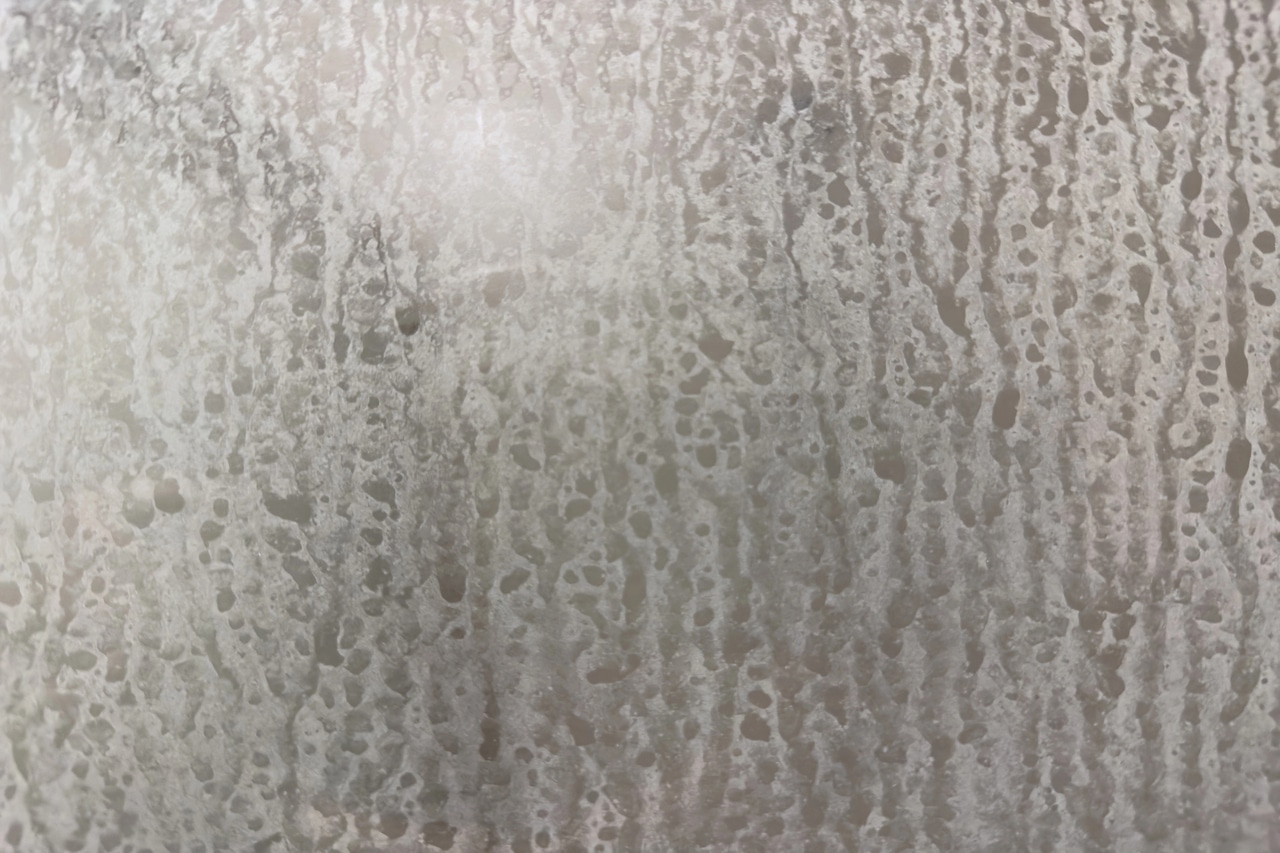
Hard water stains develop when mineral-rich water evaporates, leaving behind calcium carbonate and magnesium deposits that cling to glass surfaces. As the water dries, these minerals form a cloudy film or white spots that dull the natural shine of the glass. Over time, the buildup becomes more noticeable, especially on surfaces exposed to frequent water contact such as shower enclosures, window panes, and glassware.
Regular cleaning products cannot fully remove hard water stains because the minerals chemically bond to the glass. When standard cleaners fail, the residue continues to accumulate with every splash and evaporation cycle. Homes located in regions where groundwater flows through limestone or chalk formations experience higher water hardness, meaning the water carries more dissolved minerals.
Water hardness is commonly measured in grains per gallon (gpg) or parts per million (ppm). Testing your home’s water supply helps determine whether it contains high levels of calcium and magnesium, which influence how quickly deposits form. Understanding this measurement allows homeowners to select the right cleaning products and water treatment systems for long-term control.
Removing hard water stains requires more than just scrubbing. Acidic cleaning agents such as white vinegar or citric acid react with the alkaline minerals, breaking down their bonds to the glass surface. Some advanced cleaning solutions use chelating agents, which bind to mineral particles and lift them away during rinsing. These targeted cleaning techniques restore clarity to glass while preventing new buildup from forming.
By recognizing the chemical nature of hard water and using the right cleaning approach, you can maintain spotless, streak-free glass throughout your home. Consistent cleaning and preventive care make a noticeable difference, extending the life and appearance of your glass surfaces.
Effective Cleaning Solutions & Tools You’ll Need
- Cleaning Solutions That Remove Hard Water Stains
Effective cleaning products target mineral buildup through chemical reactions and gentle abrasives. White vinegar, a natural cleaner with acetic acid, breaks down calcium and magnesium deposits that form on glass and tile. Commercial lime removers contain stronger acids that dissolve thick, stubborn mineral layers caused by prolonged hard water exposure. A simple paste made from baking soda and water helps scrub away stains without scratching surfaces. For more severe buildup, glass cleaners with phosphoric acid efficiently dissolve the white spots and cloudy film that dull shower doors and bathroom fixtures. - Tools You Need for Cleaning
Having the right tools ensures efficient cleaning and surface protection. Microfiber cloths effectively remove residue and leave a streak-free finish. Spray bottles distribute cleaning solutions evenly, while non-abrasive scrub pads handle tough stains without scratching. A squeegee removes excess water, preventing new stains from forming. For thicker mineral buildup, fine-grade steel wool (#0000) or a razor blade scraper can carefully lift stubborn deposits when used at the correct angle. Always wear rubber gloves when using strong cleaning agents to protect your hands from irritation. - How These Products Work
Hard water stains develop when calcium carbonate and magnesium compounds dry on glass, tile, or metal. Acidic cleaners work by chemically reacting with these minerals, breaking them down into water-soluble particles that can be easily wiped away. The abrasive action from baking soda or scrub pads adds a physical cleaning boost, helping lift stuck-on residue. Together, these methods deliver a deep clean that restores clarity and shine to glass shower doors, faucets, and other bathroom fixtures. Regular maintenance with the proper products and tools prevents hard water stains from reappearing, keeping surfaces spotless and clear.
Step-by-Step Process for Stain Removal
Step 1: Vinegar Treatment
Hard water stains form when minerals like calcium and magnesium dry and bond to glass surfaces. The first step in removal involves using white vinegar, which contains acetic acid that effectively dissolves mineral buildup. Spray undiluted vinegar directly on the stained glass and let it sit for 10–15 minutes. During this waiting time, the acid softens and breaks down the calcium deposits, making them easier to remove in the next step.
Step 2: Scrubbing Technique
Once the vinegar has had time to work, use a scrub brush with stiff bristles to clean the glass in small circular motions. This gentle scrubbing action loosens the softened mineral buildup and lifts it from the surface without scratching the glass. For delicate glass surfaces, use a non-abrasive scrub pad to prevent damage while still providing enough friction to remove the residue.
Step 3: Baking Soda Paste
For more stubborn stains, create a paste using baking soda and vinegar. The combination produces a mild, bubbling reaction that helps lift mineral deposits from the surface. Apply the paste directly onto problem areas, especially where minerals have built up heavily. Leave it on for several minutes before scrubbing again to maximize cleaning strength. The paste clings to vertical surfaces, making it ideal for shower doors and windows.
Step 4: Rinsing and Drying
After cleaning, rinse all surfaces thoroughly with clean water to remove any remaining vinegar, baking soda, or loosened debris. Dry the glass immediately using a microfiber cloth. This material absorbs water efficiently without leaving lint or streaks. Quick drying prevents new mineral spots from forming, keeping the surface clear and polished.
Step 5: Stronger Cleaners
If the glass still shows residue, move on to commercial lime removers or hard water stain cleaners. These products typically contain phosphoric acid or hydrochloric acid, which work on deeply etched or long-term buildup. Always follow the safety instructions on the product label, including wearing gloves and ensuring proper ventilation. Use these stronger cleaners only when natural solutions fail, and repeat the process as needed until the glass looks spotless and free of mineral film.
Preventing Future Build-Up with Proper Maintenance
- Install a Water Softening System
Regular maintenance begins with treating the source of hard water. Water softeners remove calcium and magnesium—the minerals responsible for hard water stains—by replacing them with sodium ions. This ion exchange process prevents minerals from bonding to glass, reducing the cloudy film that forms on shower doors, windows, and faucets. Homes equipped with water softening systems experience cleaner glass surfaces, longer-lasting fixtures, and fewer maintenance headaches over time. - Use a Squeegee After Every Shower
A simple squeegee can make a major difference in preventing hard water stains. Running it over glass shower doors immediately after use removes water droplets before they dry and leave mineral residue. This quick, thirty-second task stops stains before they start. Keep the squeegee inside the shower for easy access and use it consistently as part of your daily bathroom routine. - Apply Protective Glass Coatings Weekly
Adding a protective coating to glass surfaces creates a smooth, water-repelling barrier. Products like Rain-X or bathroom-grade glass sealants cause water to bead and roll off instead of drying flat on the glass. Apply these coatings once a week for the best results. Over time, they make cleaning easier, prevent soap scum buildup, and extend the life of your shower glass. - Perform Monthly Vinegar Cleaning
Even with soft water and protective coatings, a monthly cleaning keeps glass surfaces looking new. Mix equal parts white vinegar and water in a spray bottle and apply it to the glass. Wipe clean with a microfiber cloth to remove any light residue. The mild acidity of vinegar prevents gradual mineral buildup, while the microfiber material leaves the glass streak-free and crystal clear.

