

Do Dirty Windows Harbor Allergens? What Homeowners Need to Know
Recent Posts
Dirty windows can significantly impact indoor air quality by harboring allergens such as dust, pollen, and mold. Regular window cleaning is essential for maintaining a healthy living environment and reducing allergy triggers.
- Windows collect allergens over time, especially in areas with moisture and poor ventilation. Cleaning helps remove these particles and improves air quality.
- Neglecting window frames and tracks can lead to hidden allergen buildup that affects respiratory health. Regular maintenance addresses these often-overlooked areas.
- Using the right cleaning techniques and solutions ensures thorough cleaning without leaving harmful residues, contributing to a healthier home.
Dirty windows can significantly impact indoor air quality by accumulating allergens such as dust, pollen, mold spores, and pet dander. These particles settle on the glass and in the window tracks, which can lead to respiratory issues and other health problems, especially in poorly ventilated areas.
Window cleaning plays a vital role in maintaining a healthy indoor environment by removing layers of grime and reducing the presence of allergens. Over time, windows become magnets for dust particles, pollen, mold spores, pet dander, and other microscopic debris. These allergens settle on glass surfaces and collect in window tracks and frames, especially in areas with frequent condensation or poor ventilation.
The buildup of grime not only blocks natural light but also contributes to poor air quality inside the home. Moisture from condensation can activate and spread these allergens, creating concentrated pockets of allergy triggers. This combination affects comfort and can worsen symptoms for those with asthma or respiratory issues. Regular window cleaning breaks this cycle by eliminating the static cling that holds dust in place and by reducing the exposure of indoor air to outdoor pollutants.
Using the right cleaning solution and techniques, such as microfiber cloths and streak-free cleaners, helps ensure windows are thoroughly cleaned without leaving residue. Wiping down frames and tracks is just as important as cleaning the glass, as these hidden areas are where allergens often gather unnoticed. The benefits of consistent window care go beyond appearance, contributing to clearer views, brighter rooms, and a more comfortable living space.
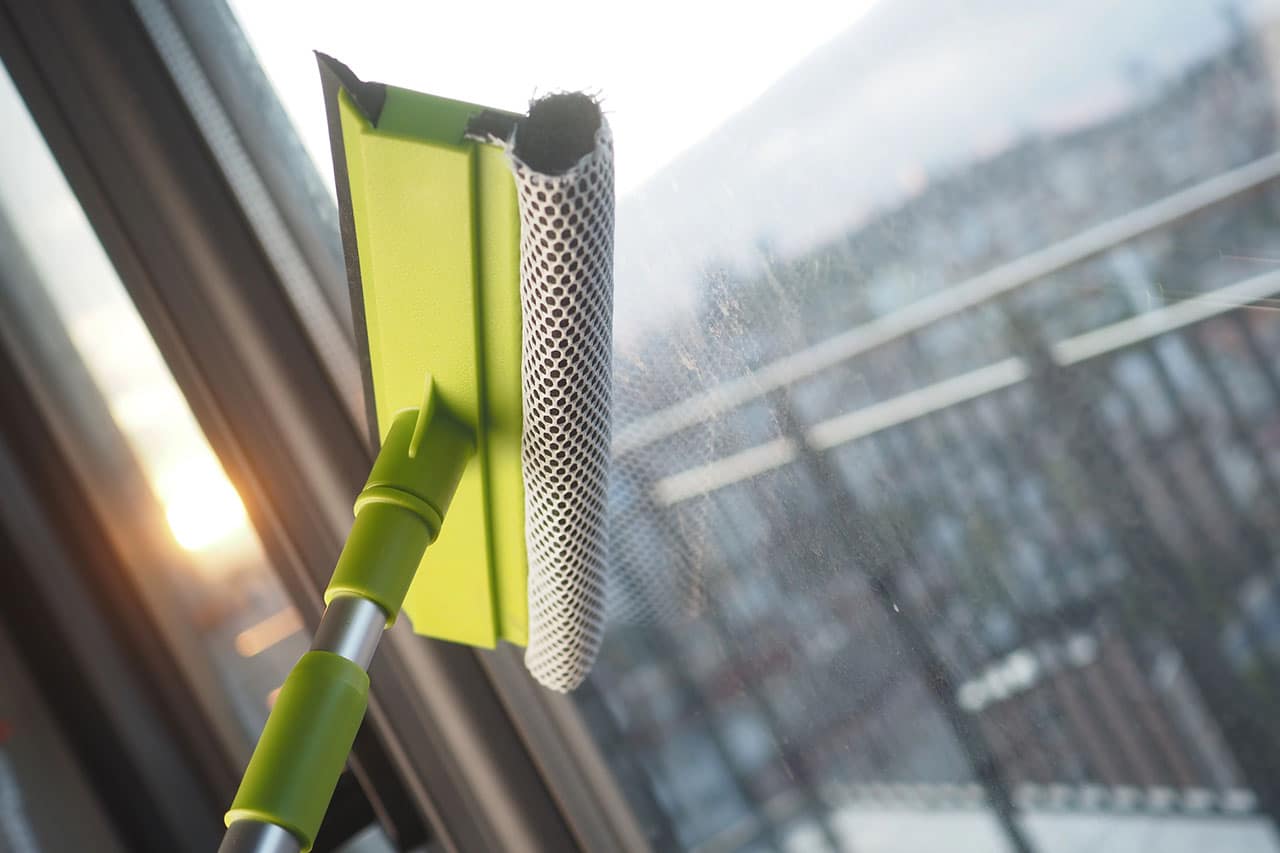
Understanding How Allergens Accumulate on Window Surfaces
A professional window cleaning service can make a significant difference in both the appearance and health of your home. As each season changes, windows become vulnerable to environmental shifts that encourage grime, mildew growth, and allergen buildup. Static electricity, moisture, and airflow work together to trap dust, pollen, and other airborne particles on window surfaces, especially in corners, tracks, and seals, where cleaning is often overlooked. These hidden layers become breeding grounds for mold spores and allergens that can trigger allergy symptoms and compromise your overall well-being.
Sunlight streaming through dirty windows becomes filtered by these contaminants, diminishing indoor light quality and increasing the chances of moisture buildup. When warm air meets cooler glass, condensation forms, creating damp areas that help mildew take hold. These moist surfaces not only trap allergens but also support ongoing microbial growth, further lowering indoor air quality.
Regular window maintenance by trained professionals helps eliminate these problem zones. Experts use effective tools and techniques to remove static-bound particles, dry out moisture-prone areas, and reach crevices where allergens accumulate. This deep cleaning restores the clarity of your windows, enhances natural sunlight in your home, and prevents the kind of buildup that filters light and pollutes indoor air.
Choosing a professional window cleaning service is more than just an aesthetic upgrade; it’s an essential step toward a healthier living environment. Clean windows reduce allergy triggers, support mental clarity through improved lighting, and prevent long-term damage caused by mildew and grime. By addressing the subtle but powerful connection between windows and air quality, homeowners can protect their health while keeping their spaces bright and inviting year-round.
The Role of Dust, Pollen, and Mold in Indoor Air Quality
Vacuuming, regular dusting, and careful maintenance of household surfaces are essential in reducing air pollution indoors, especially during peak pollen seasons when airborne irritants increase. Carpets, bedding, and windowsills often collect allergens like pollen, dust, and spores that contribute to respiratory conditions in sensitive individuals. These substances settle into fabric and crevices, forming a persistent layer of contaminants that circulate through indoor air.
Windowsills are particularly vulnerable to allergen buildup due to their exposure to outdoor air and condensation. When moisture lingers on glass or frames, it creates an ideal surface for the growth of mold. Combined with pollen that enters through open windows and dust that accumulates naturally, this environment can quickly become a hotspot for air quality issues. These allergens don’t just stay put; they get stirred back into the air with each draft, each step on a carpet, and every opened window.
Eco-conscious cleaning methods and scheduled upkeep help prevent these allergens from spreading. Using vacuums equipped with filters, maintaining dry windowsills, and regularly washing bedding all support a healthier environment. When moisture is controlled and allergen-prone areas are cleaned frequently, the risk of triggering respiratory conditions goes down significantly.
Maintaining clean carpets and window areas is a critical part of managing indoor air quality. A commitment to cleanliness, especially during pollen-heavy months, protects household members from chronic exposure to allergens. This proactive approach not only improves overall comfort but also aligns with sustainable, eco-friendly living by minimizing the need for chemical treatments while supporting better respiratory health.
Why Window Frames and Tracks Are Common Allergen Traps
Window frames and tracks are often overlooked sources of indoor allergens, yet they play a significant role in shaping the air quality inside a home. Flat ledges, corner joints, and the moving parts within window systems serve as prime collection zones for dust, pollen, and moisture. These areas contain micro-crevices and grooves where dirt settles and often goes unnoticed during routine cleaning. Over time, environmental factors like condensation and air flow cause these particles to concentrate in hard-to-reach spots.
Flat surfaces on the window frame easily gather airborne dust and plant debris that enter through open windows or circulate inside the room. In the corners, water droplets from temperature-driven condensation gather and linger, especially in humid climates or during cooler nights. When this moisture mixes with organic dirt, it creates ideal conditions for mold growth, a common trigger for respiratory irritation. The tracks and sliding components of the window system also generate fine debris from friction, which gets pushed into the lower channels and edges with each use.
Window materials such as vinyl and aluminum have properties that add to the problem. These surfaces can hold static electric charges that naturally attract and retain floating particles, further increasing allergen buildup. Every time a window is opened or closed, the sudden movement releases these trapped particles into the surrounding air, where they can be inhaled.
Understanding how moisture, friction, and electrostatic forces interact with window materials explains why certain parts of the window system become hotspots for allergens. This insight supports a targeted approach to cleaning and maintenance, one that goes beyond glass surfaces and addresses the deeper health concerns tied to indoor air quality. Through informed care, homeowners can reduce airborne contaminants and create cleaner, healthier living spaces supported by building science and verified air quality research.
How Dirty Windows Can Trigger Allergic Reactions
Dirty windows are more than just a cosmetic issue; they can be a hidden health hazard. When dust, mildew, and particulates accumulate on glass surfaces, frames, and tracks, they create dense zones of allergens that can be easily released into the indoor environment. Everyday movements like opening a window or brushing past it can disturb these buildups, sending allergenic particles into the air we breathe. This often-overlooked source of indoor pollution directly affects respiratory health, especially for people with allergies or asthma.
Moisture from condensation is a major contributor to mildew growth on window surfaces. Left uncleaned, these damp spots support mold colonies that release spores into the air. Air currents created by temperature differences between the inside and outside of a home, known as convection currents, can also lift settled allergens from windows and spread them throughout the room. Even simple contact with dirty windows transfers allergens to hands and clothing, contributing to ongoing exposure.
Because windows are usually located where people relax, sleep, or spend long periods, the impact of airborne allergens from these areas is amplified. Routine activities near windows, like opening curtains or adjusting blinds, stir up particles that linger in the air and affect overall indoor air quality. While some cleaning products can initially irritate sensitive individuals, consistent and mindful window maintenance is a critical step toward a healthier indoor space.
Research from peer-reviewed environmental health and medical journals supports these findings, emphasizing the link between window hygiene and respiratory conditions. Clean windows are not just about clarity; they’re about protecting well-being by controlling allergen levels at one of the most overlooked points of entry in the home.
Cleaning Practices to Minimize Allergen Buildup
Clean windows play a critical role in minimizing indoor allergens and improving air quality. Regular maintenance using effective techniques helps remove harmful particles like dust mites, pollen, and airborne pollutants without introducing harsh chemical residues into the home. Environmental studies have shown that even simple steps can make a measurable difference in allergen levels when done correctly and consistently.
A bi-weekly cleaning routine using neutral soap and water is one of the safest and most effective ways to remove allergens from glass, sills, and tracks. Starting with a dry microfiber cloth to dust loose particles prevents dirt from spreading during the wet cleaning phase. Unlike standard rags, microfiber traps even the smallest irritants, making the cleaning process more thorough and efficient. It’s also important not to overlook the window tracks and sills, which tend to trap large amounts of environmental debris that settle from circulating air.
For homes located in high-pollution areas, a more intensive approach may be needed. Hiring a professional window cleaning service every three months ensures deeper, safer cleaning that reaches difficult spots and adheres to established safety and quality protocols. These professionals use methods and tools designed to protect indoor environments from chemical exposure while delivering superior results.
By incorporating proper cleaning habits into your home maintenance routine, you’re not only ensuring a clearer view, but you’re also actively reducing allergens that affect respiratory health. Whether you’re a homeowner or part of a cleaning team, understanding and applying these strategies leads to a cleaner, healthier living environment.

