

5 Warning Signs Your Gutters Are Damaging Your Roof
Recent Posts
A failing gutter system can lead to significant damage to your roof and home. Homeowners should be vigilant for warning signs such as water stains, sagging gutters, and granule loss from shingles.
- Peeling paint and mold growth indicate prolonged water exposure, suggesting gutters are not draining properly. Regular inspections can help identify these issues early.
- Sagging or pulling-away gutters signal structural problems that need immediate attention to prevent further damage.
- Accumulation of granules in gutters and water stains on fascia boards show that gutters are malfunctioning, risking roof integrity and increasing repair costs.
Warning signs that gutters may be damaging your roof include peeling paint on fascia boards, mold growth on exterior walls, and rust on metal components. Additionally, clogged gutters can lead to water accumulation, which may cause roof leaks and damage to asphalt shingles, increasing the risk of structural issues.
Signs of a failing gutter system often appear along the roofline and around the roofing system. Peeling paint on fascia boards or soffits can indicate prolonged water exposure, while mold growth and mildew on exterior walls signal that rainwater isn’t draining properly. Clogs from leaves, twigs, and other debris prevent gutters from channeling water away from asphalt shingles, increasing the risk of roof leaks. Rust may form on metal components, reducing their lifespan, while granules from asphalt shingles accumulate in gutters, exposing bare spots on the roof and accelerating UV rays’ damage. During winter, ice formation in clogged gutters worsens these issues, creating pressure that can bend or detach sections of the system. Regular roof inspection ensures that gutters remain free of clogs, shingles stay intact, and rainwater flows safely away from the living areas of your home. Proper maintenance prevents water from seeping into attics, walls, and ceilings, protecting your home from structural damage and costly repairs.
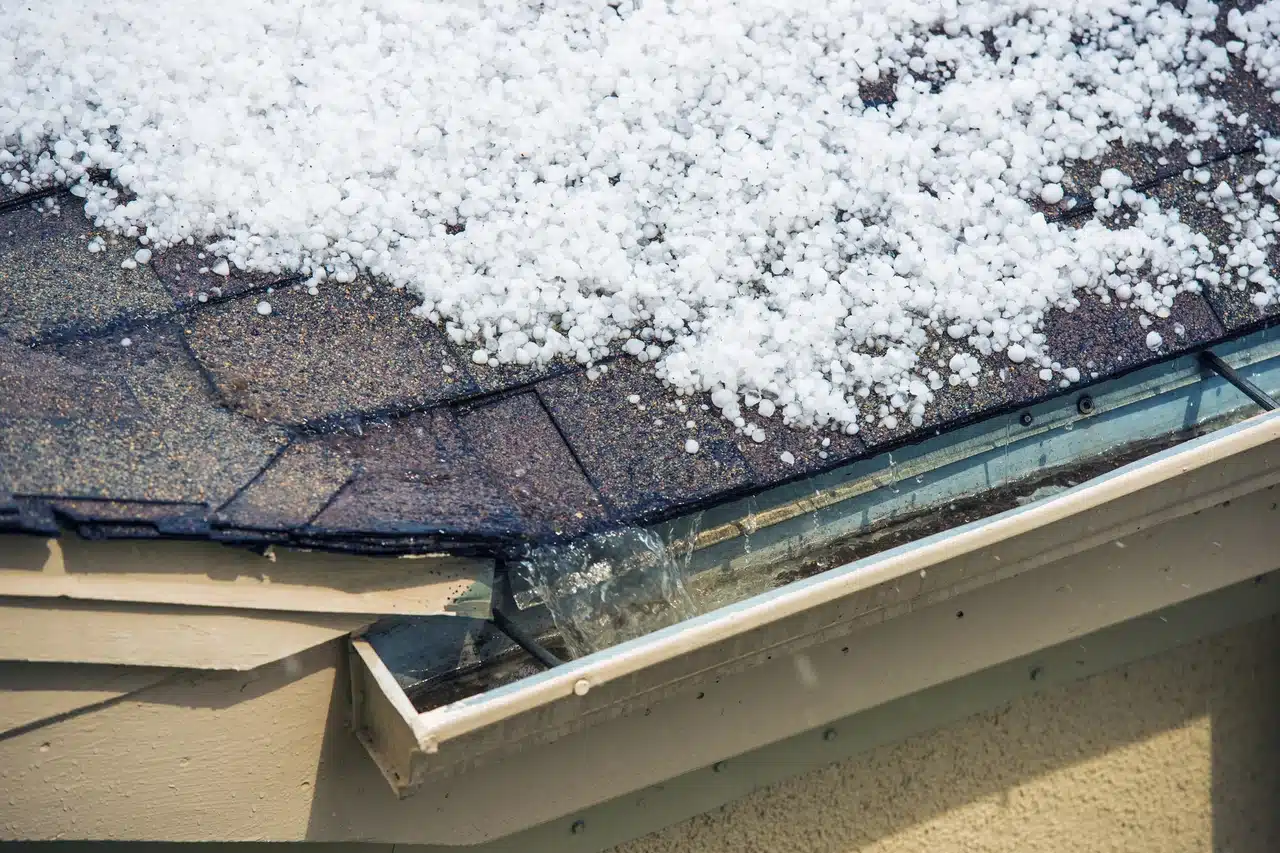
Overflowing Gutters During Heavy Rain
When gutters spill water over their sides instead of directing it properly through downspouts during rainstorms, it indicates a serious problem in the drainage system. This could result from either an insufficient gutter size that cannot handle heavy rainfall or a blockage caused by leaves, twigs, and other debris that accumulate over time. These obstructions prevent water from moving freely, forcing it to flow over the edges and hit the fascia boards, roof edges, and even landscaping below, which can cause significant long-term damage.
Prolonged water exposure at roof edges can deteriorate the underlayment beneath asphalt roofs, allowing water intrusion into the attic or ceiling cavities. Homeowners may notice algae growth, dark streaks, or mildew forming on roof surfaces and siding, signaling that water is not being properly diverted. During winter, ice dams form in clogged gutters, creating pressure that can lift shingles, damage fascia boards, and even lead to leaks inside the home. Repeated freeze-thaw cycles exacerbate these problems, causing cracks in gutters and roofing materials. Hailstorms further stress weakened areas, creating opportunities for leaks and water intrusion.
Poor gutter maintenance also affects your home’s energy efficiency. Overflowing water can saturate insulation in attics or walls, increasing heat loss during winter and driving up the energy bill. Additionally, water pooling near landscaping can erode soil, damage plants, and create uneven ground around the foundation, all of which can compromise the structural integrity of your property.
Routine gutter cleaning is critical to prevent these issues. Removing debris and ensuring smooth water flow through downspouts protects the roofing system, foundation, and landscaping. Installing gutter guards can reduce the frequency of cleaning by blocking larger debris while still allowing water to pass. When gutters are damaged, sagging, or rusted, timely gutter replacement ensures the system functions correctly and extends the life of the roof and surrounding structures. Combining regular inspections with preventive measures creates a comprehensive approach that protects your home from water-related damage, enhances curb appeal, and preserves the long-term value of your property.
Sagging, Warped, or Pulling-Away Sections
Gutter sections that sag, pull away from the house, or loosen from their brackets indicate serious structural issues that require immediate attention. These problems often result from prolonged water exposure, ice accumulation, or corrosion of fasteners, all of which compromise the gutter system’s ability to support its intended load. When water does not flow properly through the gutters, it can accumulate along roof edges and over fascia boards, accelerating wood rot in roof decking and weakening the overall building framework. The International Residential Code Section R903 emphasizes the importance of functional drainage systems to prevent water intrusion and structural damage.
Homeowners may notice visual cues such as gaps larger than a quarter inch between the gutter and fascia board, gutters that slope backward rather than toward downspouts, or brackets that no longer hold securely. Documenting these warning signs with photographs and detailed notes helps establish the urgency of repairs and provides a reference for contractors during assessment. Continued use of a compromised gutter system increases the risk of damage to roof eaves, soffits, siding, and other exterior components, which can lead to more costly repairs over time.
A licensed contractor or certified building inspector should evaluate the affected areas to determine whether individual sections require replacement or if a completely new gutter system is necessary. Modern gutter installations that follow current building codes ensure proper water flow, protect roof edges, and safeguard the building’s foundation and walls. Prompt professional evaluation not only maintains the structural integrity of the home but also prevents small gutter problems from escalating into significant water damage, preserving the value and longevity of the property.
Water Stains on Fascia, Soffits, or Siding
Brown, gray, or black streaks on your home’s exterior trim are a clear sign that gutters are leaking or overflowing. These stains indicate that water is reaching surfaces it should never touch, creating both aesthetic and structural concerns.
Where Water Stains Appear and What They Mean. Fascia boards, the vertical boards behind gutters, are often the first to show discoloration. Water constantly hitting these boards can lead to wood rot, weakening the structural support for the roofline. This type of damage can even void your home warranty and create compliance issues under local building maintenance regulations. Soffits, or the undersides of roof overhangs, may show stains when water penetrates the roof edge assembly. Moisture in this area can harm attic ventilation systems and insulation, reducing energy efficiency and increasing the risk of mold growth. Siding located below gutter lines can also develop stains, proving that water overflow is repetitive in that area. Persistent water contact in these spots accelerates decay and can spread to other parts of the home if left unaddressed.
Building Code Requirements The International Code Council (ICC) sets clear standards for proper water drainage on residential buildings. Visible water stains indicate that your gutter system fails to meet these requirements, which can impact insurance claims, resale value, and overall home safety.
What Property Owners Should Do: Document the damage by taking photos of all stained areas, making sure dates are visible. Contact licensed roofing contractors or gutter specialists to perform a professional inspection. Prompt attention is critical because delaying repairs allows water damage to spread from one building component to connected materials, escalating repair costs and creating larger, more complicated projects over time. Proper maintenance and timely intervention protect both the appearance and structural integrity of your home.
Shingle Deterioration or Granule Loss Near the Edges
Large accumulations of roof granules in gutters and bare patches along roof edges are clear indicators of water damage caused by malfunctioning or poorly maintained drainage systems. When gutters overflow or divert water incorrectly, shingles remain wet for extended periods, accelerating the breakdown of the asphalt layer far faster than normal wear and tear would cause.
The mineral granules embedded in asphalt shingles serve a critical protective function. They shield the roof from ultraviolet rays, reducing sun-related deterioration, and help the shingles withstand thermal expansion and contraction caused by temperature fluctuations. Once these granules wash away, the exposed asphalt loses its protective barrier, leaving the roof more vulnerable to cracking, curling, and premature failure. In many cases, this damage appears within the first two feet of the roof edges, where water from gutters hits with the most force. According to National Roofing Contractors Association (NRCA) standards, shingles missing more than 30% of their granules require immediate inspection for possible replacement.
Exposed asphalt allows water to penetrate through the roof, seeping into the underlying wooden roof deck made of plywood or OSB sheathing. Over time, this infiltration can lead to wood rot, mold growth, and structural damage, affecting not only the roof but also the building envelope beneath. Homeowners should document the extent of granule loss and water damage with detailed photographs and notes. This documentation is essential for insurance claims and can establish whether roof failures result from defective installation, faulty drainage design, or natural wear. Maintaining a record of damage progression provides contractors, insurers, and homeowners with the evidence needed to make informed repair decisions and protect the long-term integrity of the roofing system.
Interior Leaks or Attic Moisture After Storms
Water damage inside your home or attic following rain events is a strong indication that your gutter system is failing to direct water away from your structure properly. Overflowing or leaking gutters allow rainwater to bypass the intended drainage pathways, seeping under roofing materials and into interior spaces. Signs such as water stains on ceilings, damp or compressed attic insulation, and visible leaks after storms indicate that water is finding weak points in the roof rather than being safely funneled away from the home.
According to the International Residential Code Section R801, homes must have effective roof drainage systems to prevent structural damage. When insulation in the attic becomes wet, it loses its thermal efficiency, reducing the home’s ability to maintain comfortable temperatures. Moisture-laden spaces also create ideal conditions for mold and mildew growth, posing health risks to occupants and potential legal liabilities for homeowners.
Prompt attention to gutter issues is critical. Property owners who delay inspections and repairs risk accelerated deterioration of wood roof decking and other protective roof components, leaving the building vulnerable to further water intrusion. Regular gutter maintenance ensures that roofing substrates, wall assemblies, and foundation perimeter zones remain dry, preserving structural integrity and preventing chronic moisture exposure that can weaken framing members.
Functioning gutters are essential for the overall performance of the building envelope. They manage stormwater runoff, protecting eaves, soffits, and fascia boards from prolonged contact with water. Failure to maintain these systems can lead to damage to sheathing materials, compromised vapor barriers, and deteriorated flashing at roof-to-wall transitions, all of which increase repair costs and threaten the long-term durability of your home.

