

How to Maximize Natural Light in Your Home This Spring
Maximizing natural light in your home this spring involves several effective strategies. By cleaning windows and making thoughtful design choices, homeowners can significantly enhance brightness indoors.
- Cleaning windows can boost natural light transmission by up to 30%.
- Strategic mirror placement and light-colored decor help reflect sunlight into darker areas.
- Adjusting window treatments and furniture positioning optimizes light flow throughout the home.
To maximize natural light in your home this spring, start by cleaning your windows, as this can enhance light transmission by up to 30%. Additionally, consider using lighter window treatments and strategically placing mirrors to reflect light, creating a brighter and more inviting atmosphere.
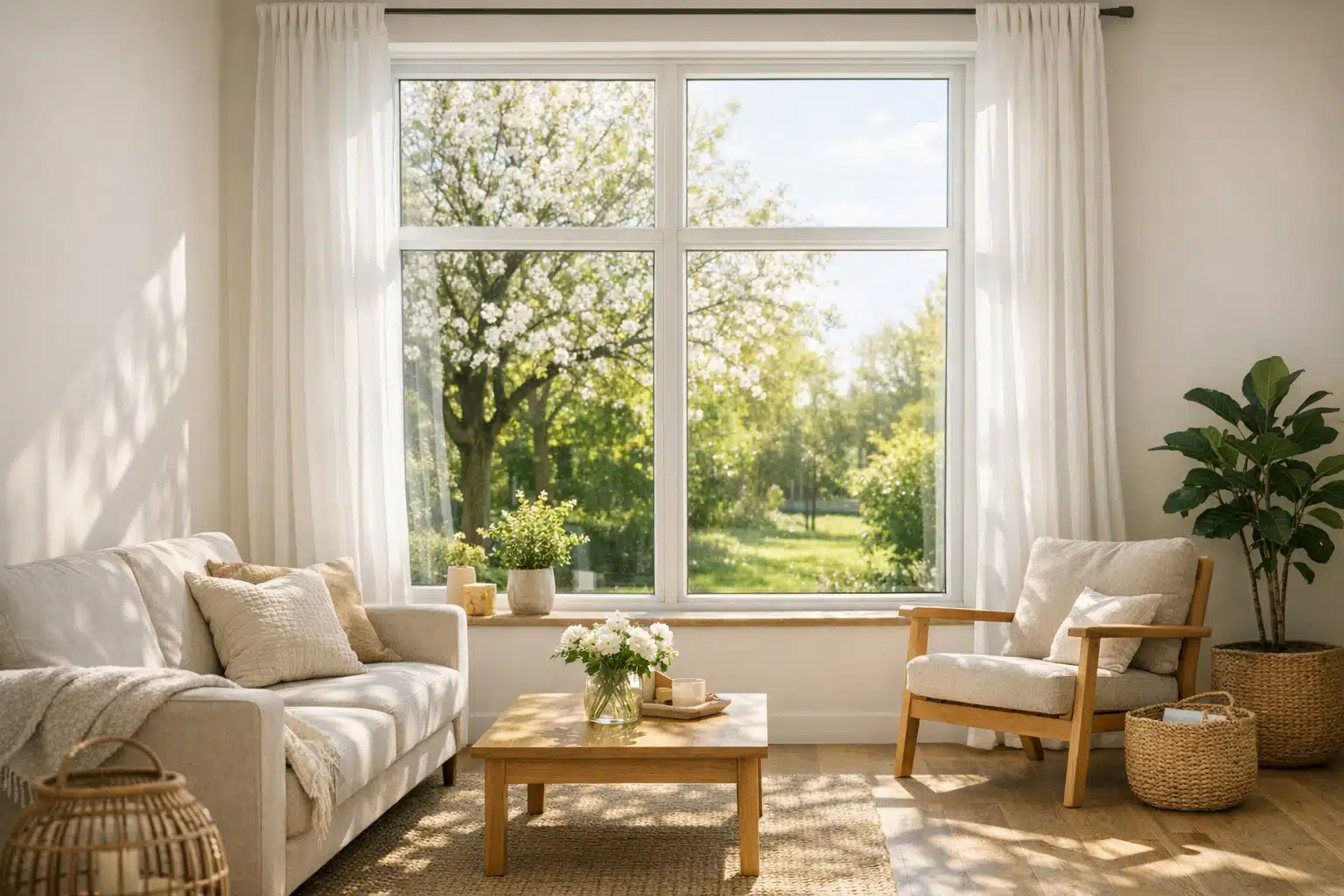
Spring sunlight streaming through grimy windows loses much of its brightness before reaching your living spaces. Clean windows can increase natural light transmission by up to 30%, making this the perfect season to maximize natural light throughout your home.
The longer days and stronger sun angles of spring create ideal conditions for brightening dark corners and reducing your reliance on artificial lighting. Smart positioning of mirrors, strategic furniture placement, and proper window maintenance can transform dim rooms into vibrant spaces.
Clean Windows: Your First Step to Maximize Natural Light
Window glass accumulates microscopic dirt, water spots, and oxidation that blocks significant amounts of incoming light. Professional-grade cleaning removes these barriers and restores full light transmission through your windows.
Spring cleaning should start with your windows because winter weather leaves behind salt residue, pollen buildup, and grime that standard household cleaners cannot fully remove. Professional window cleaning uses specialized squeegee techniques and commercial-grade solutions that eliminate streaks and restore crystal-clear glass.
Beyond Basic Cleaning
Window frames and sills also impact light quality when left dirty or damaged. Chipped paint, warped frames, or damaged weather stripping creates shadows and reduces the effective glass area. Spring maintenance should include frame inspection and touch-up repairs.
Mirror Placement Strategies for Spring Light Enhancement
Strategic mirror placement amplifies spring sunlight by redirecting it into darker areas of your home. Position large mirrors directly across from south-facing windows to capture and bounce maximum daylight throughout the room.
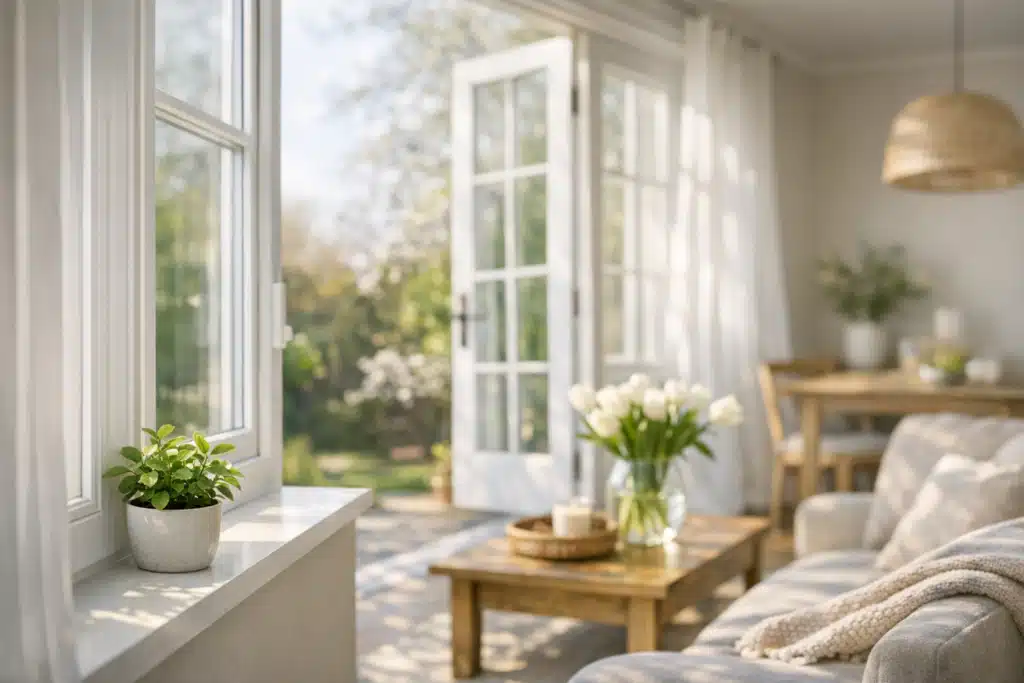
The spring sun’s changing angle requires different mirror positioning than winter arrangements. Place mirrors at slight angles rather than perfectly perpendicular to windows – this prevents harsh glare while still directing soft, diffused light into shadowy corners.
Room-Specific Mirror Techniques
- Living rooms: Mount mirrors on walls perpendicular to main windows to create cross-lighting effects
- Kitchens: Install mirrored backsplashes behind sinks positioned near windows
- Hallways: Use narrow mirrors along the length of corridors to channel light from end windows
- Bedrooms: Position dresser mirrors to catch morning light and reflect it toward the bed area
Window Treatment Adjustments for Spring Home Improvement
Heavy winter curtains and closed blinds block valuable spring sunshine. Replace thick drapery with light-filtering options that maintain privacy while allowing maximum light penetration.
Sheer fabrics, cellular shades, and top-down bottom-up blinds give you control over privacy without sacrificing brightness. White or cream-colored treatments reflect more light into the room than darker alternatives.
Layered Window Covering Systems
Install dual-layer systems that adapt to spring’s variable lighting conditions. Combine sheer panels with heavier curtains that can be pulled back completely during peak daylight hours. This flexibility lets you maximize natural light on bright days while maintaining comfort during overcast periods.
Furniture and Color Choices That Amplify Spring Light
Dark furniture absorbs light instead of reflecting it back into the room. Rearrange furniture away from windows during spring months to prevent blocking incoming sunlight and create clear light pathways.
Light-colored surfaces – walls, furniture, and decor – act as secondary light sources by bouncing daylight throughout the space. Consider spring home improvement projects that incorporate white, cream, or pale colors on major surfaces.
Strategic Furniture Positioning
Move tall bookcases, entertainment centers, and large chairs away from window walls. Position these items against interior walls where they won’t interfere with light flow. Low-profile furniture near windows maintains the view while providing functionality.

 Posted on Google
Exterior Landscaping for Interior Light Optimization
Spring pruning and landscaping decisions directly impact indoor light levels. Trim tree branches and shrubs that have grown across windows during the dormant season to restore unobstructed light access.
Deciduous trees near south-facing windows should be pruned to allow maximum spring and fall light while providing summer shade. Evergreen plantings work better on north sides where year-round privacy matters more than seasonal light variation.
Ground Cover and Reflective Landscaping
Light-colored mulch, gravel, or concrete surfaces near windows reflect additional light upward into your home. Dark soil and plant materials absorb light instead of contributing to interior brightness.
Skylight and Light Tube Considerations
Spring represents the ideal time for skylight installation projects because of moderate temperatures and longer working days. A single skylight provides equivalent light to three standard windows while taking up minimal wall space.
Solar tubes offer skylight benefits in areas where traditional skylights aren’t practical – hallways, closets, and interior bathrooms. These systems capture rooftop sunlight and channel it through reflective tubes into dark interior spaces.
Maintenance for Existing Skylights
Clean skylight glass and check for leaks or damage after winter weather. Remove any debris from the well area and ensure proper drainage to prevent water damage. Professional skylight cleaning may be necessary for hard-to-reach installations.
Advanced Light-Enhancing Techniques
Light shelves – horizontal surfaces installed above eye level near windows – bounce sunlight deeper into rooms while reducing glare. These architectural features work particularly well in rooms with high ceilings.
Reflective window film applied to glass surfaces can redirect harsh light while maintaining clarity. This solution works well for west-facing windows that receive intense afternoon sun.
Technology Solutions
Motorized blinds and smart glass allow precise light control throughout the day. These systems automatically adjust based on sun position and interior light levels, maintaining optimal brightness without manual intervention.
Maximizing natural light in your home requires a combination of proper window maintenance, strategic design choices, and seasonal adjustments. Clean windows serve as the foundation for all other light-enhancement efforts, making professional cleaning an important first step in your spring home improvement plans.
Ready to start your spring light-maximizing project with crystal-clear windows? Contact Ease Your Panes at (720)-477-3273 for professional window cleaning that will restore full light transmission to your home.
Sources
- U.S. Department of Energy – Daylighting for Energy Efficiency
- Environmental Protection Agency – Indoor Environmental Quality
- National Renewable Energy Laboratory – Advanced Windows Information

